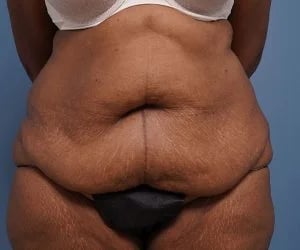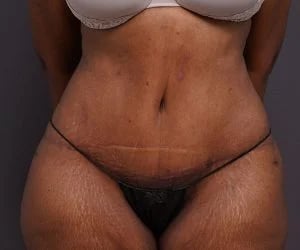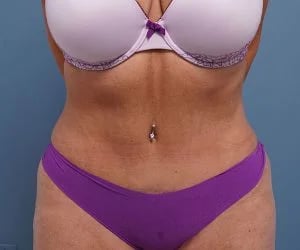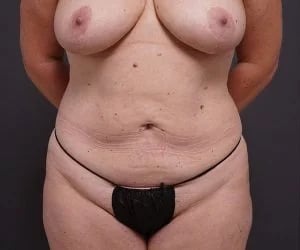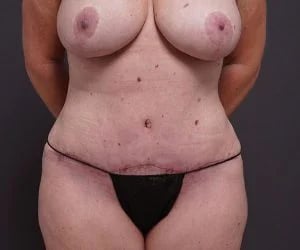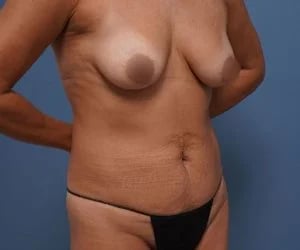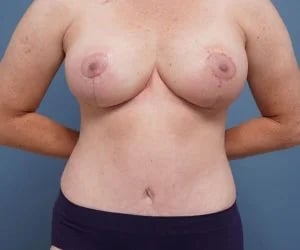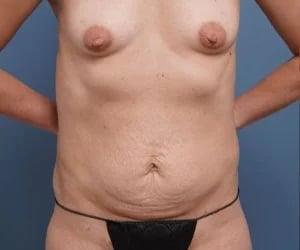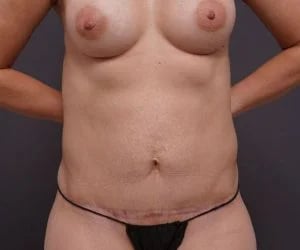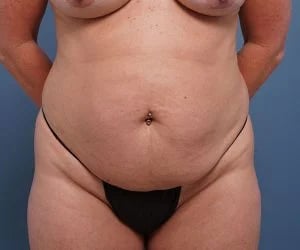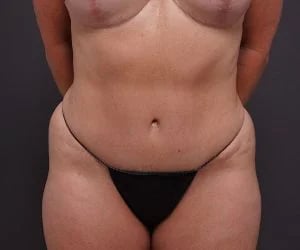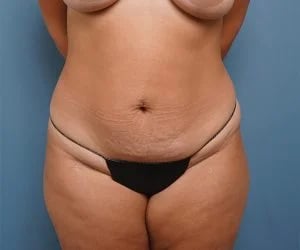


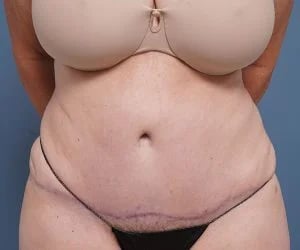
The ten cases above show patients at different stages after abdominoplasty. Some case notes mention related procedures such as liposuction, so it is worth reading each case page before drawing a comparison. Every body is different, and individual results vary. The best way to use a gallery is to look for patients whose starting point resembles yours, and then bring those cases to your consultation as a talking point.
A tummy tuck tackles three things at once. It removes loose skin that has stretched beyond its ability to recover, it tightens the abdominal wall muscles that have separated (a condition called diastasis recti), and it can remove some excess fat. It does not replace weight loss and it is not a treatment for general obesity. If you have recently lost a large amount of weight, or had children, these changes are common, and the tummy tuck page explains the operation in detail.
Not everyone needs skin removal. If your concern is stubborn fat and your skin is elastic, liposuction alone may be enough, and the comparison of Lipo 360 versus a tummy tuck helps you work out which fits. When loose skin is present, adding contouring can improve the waist and flanks, which is the idea behind the 360 tummy tuck, and the Lipo 360 page describes the liposuction side. Skin that remains loose after fat removal is covered in the guide to loose skin after Lipo 360.
The early weeks are the part patients most want to hear about plainly. Expect tightness through the abdomen, swelling that moves around, and a gradual return to standing fully upright. Some surgeons use drains, and the explanation of drains after a tummy tuck sets out what that involves. A compression garment supports healing, with timing covered in the compression garment timeline, and fluid collections called seromas are discussed in the article on seroma after body contouring. The belly button also changes appearance, which the post on why your belly button looks different explains.
A stable weight matters more than a specific number. Weight that is still dropping, or large swings afterward, can undo the result, and the article on why BMI matters more for some procedures explains how it influences planning. Patients taking weight-loss medications should read what changes before surgery on Ozempic or Wegovy, because timing and nutrition can affect the plan.
Many tummy tuck patients are mothers whose abdominal wall changed with pregnancy. Some pair it with breast surgery as part of a mommy makeover, and the guide to timing a mommy makeover when you are done having kids explains why waiting until your family is complete is usually advised.
More body results are in the body gallery. To discuss your own goals with Dr. Bellamy, request a consultation.
Who is a good candidate for a tummy tuck?
Adults at a stable weight who are bothered by loose abdominal skin or separated muscles, who are in good general health and who do not smoke. Anyone planning more pregnancies is generally advised to wait.
Will a tummy tuck leave a scar?
Yes. A tummy tuck leaves a scar across the lower abdomen, usually placed so that underwear or swimwear covers it, and a scar around the belly button. How visible it becomes varies from person to person.
Can a tummy tuck repair separated stomach muscles?
Yes. Tightening the abdominal wall muscles is a core part of the operation and is one reason it differs from liposuction.
How long is recovery after a tummy tuck?
Most patients take about two weeks away from work and avoid heavy lifting and strenuous exercise for longer. Your surgeon sets the timeline for your own case.
Can liposuction be done at the same time as a tummy tuck?
Often, yes. Combining liposuction with a tummy tuck can improve the waist and flanks, and whether it is suitable for you is assessed at consultation.
Individual results may vary.


© 2026 Justin Bellamy, MD