

Patients researching plastic surgery frequently encounter BMI, body mass index, calculated from height and weight, presented as a single gatekeeping number, as though there's one universal threshold determining candidacy across every possible procedure. This isn't accurate, and it creates real confusion, since BMI's actual relevance to surgical risk varies considerably depending on the specific procedure being considered, the specific body systems and healing processes involved, and how directly the procedure itself interacts with body fat and tissue volume. Understanding where this dial actually sits for different procedure categories helps set realistic, accurate expectations rather than assuming a single number applies uniformly everywhere.

Where the Dial Sits High: Abdominal Body Contouring
For procedures like tummy tuck, BMI genuinely matters a great deal, and this is where the dial sits at its highest relevance across the procedures discussed in this piece. Elevated BMI is directly associated with increased risk of wound healing complications in abdominal surgery specifically, since abdominal incisions in patients with higher BMI face genuinely different mechanical and blood-supply conditions than the same incision in a patient at a lower BMI, affecting how reliably that incision heals without complications like delayed healing, wound separation, or infection.
This is also a procedure where the underlying goal itself, addressing excess skin and, often, muscle separation following weight change or pregnancy, is directly connected to body composition in a way that makes BMI a genuinely relevant, meaningful screening factor rather than an arbitrary cutoff, since a tummy tuck performed on a patient whose weight is likely to fluctuate significantly in the near future may not achieve or maintain the intended result regardless of how well the surgery itself is performed.
Where the Dial Sits Moderately: Breast Procedures
For procedures like breast augmentation or breast lift, BMI matters, but the dial sits meaningfully lower than it does for abdominal body contouring. Breast tissue and the surrounding chest wall generally face somewhat different healing dynamics than the abdomen specifically, and while very elevated BMI can still meaningfully affect healing and complication risk in breast surgery, the relationship is generally less pronounced than the more direct connection BMI has to abdominal surgical outcomes specifically.
This is also a procedure category where BMI's relevance depends considerably on which specific breast procedure is being considered. Breast augmentation with implants alone, without significant skin excision, generally carries a somewhat different risk profile related to BMI than a more extensive breast reduction or lift involving significant tissue removal and larger incisions, which shifts the dial somewhat closer to where it sits for abdominal procedures given the larger, more extensive incision and healing surface involved.
Where the Dial Sits Lower: Facial Procedures
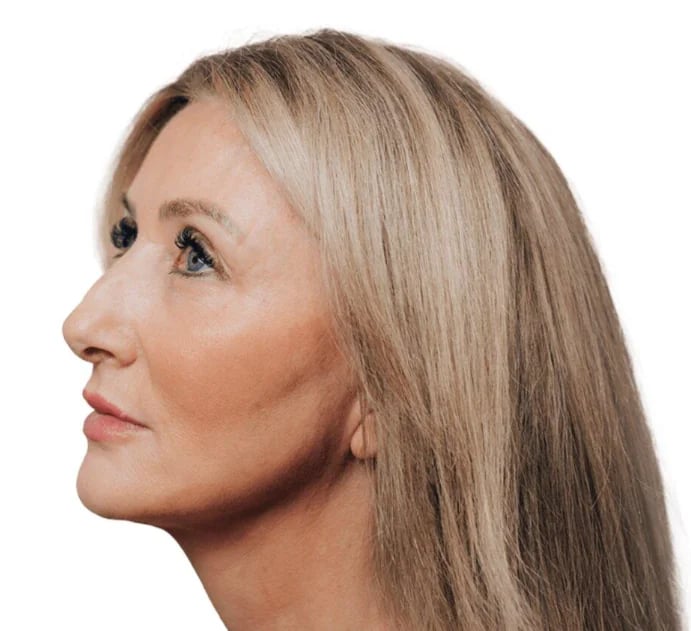
For procedures like facelift surgery, BMI matters considerably less directly than it does for body contouring procedures, since facial surgery doesn't involve the same abdominal wound-healing dynamics or the same direct connection to body fat volume that makes BMI so relevant for procedures like tummy tuck. This doesn't mean BMI is entirely irrelevant to facial surgery candidacy, since very elevated BMI is still associated with broader surgical and anesthesia risk factors that apply somewhat universally across any surgical procedure, but the specific, direct mechanical relationship between BMI and outcome quality that exists for abdominal surgery is considerably less pronounced for facial procedures specifically.
Where the Dial Sits Distinctly for Fat Transfer Procedures
Procedures like Brazilian Butt Lift, which rely specifically on harvesting the patient's own fat for transfer, present a genuinely distinct relationship with BMI compared to every other category discussed so far, since this procedure actually requires a certain amount of available donor fat to achieve its intended result. This creates an unusual dynamic where both very low BMI, insufficient donor fat available for meaningful transfer, and very elevated BMI, increased general surgical and healing risk factors, can each present candidacy concerns for different reasons, meaning this dial doesn't simply run in one direction the way it does for the other procedure categories discussed throughout this piece.
Why General Anesthesia Risk Applies Somewhat Universally, Regardless of Procedure
It's worth addressing a factor that applies across nearly every procedure category discussed above, somewhat independent of the specific procedure-related risk factors: elevated BMI is associated with broader anesthesia-related risk factors, including airway management considerations and cardiovascular and respiratory factors relevant to any surgery involving general anesthesia, regardless of what specific procedure is being performed. This is part of why a thorough pre-surgical health evaluation, including a direct conversation about your specific BMI and overall health profile, remains a standard, important part of surgical planning across every procedure category, even for procedures like facial surgery where the more direct, procedure-specific relationship to BMI is comparatively modest.
What This Means If Your BMI Is Currently Above a Specific Procedure's Typical Threshold
For patients whose current BMI sits above what a specific procedure's typical candidacy guidelines suggest, it's worth understanding this isn't necessarily a permanent disqualification, but rather information relevant to timing and planning. Many surgeons work directly with patients to establish a reasonable, healthy weight target before proceeding with a specific procedure, particularly for the abdominal body contouring category where this relationship is most pronounced, rather than treating current BMI as an immovable, final barrier to ever pursuing that specific surgery.
This is worth raising directly and honestly during your consultation, since a surgeon's specific guidance on this point, including a realistic, honest conversation about what target might make sense for your specific situation and specific procedure, is considerably more useful than either avoiding the topic or assuming a single universal number applies regardless of which specific procedure you're actually considering.
Why This Same Dial Doesn't Apply Identically to Every Patient at the Same BMI
It's also worth noting directly that BMI itself is an imperfect, population-level measurement that doesn't fully capture individual variation in body composition, muscle mass, and fat distribution, meaning two patients at an identical BMI can present genuinely different actual surgical risk profiles based on these individual factors. This is precisely why a thorough surgical consultation includes a direct physical evaluation alongside any BMI calculation, rather than relying on that single number in isolation to make a final candidacy determination, since your specific body composition and overall health profile provide meaningfully more useful information than BMI alone ever could.
What a Consultation Addressing This Topic Should Actually Cover
A thorough consultation should include a direct, honest conversation about how your specific BMI relates to the specific procedure you're considering, using the kind of procedure-specific understanding described throughout this piece rather than a single, generic BMI cutoff applied uniformly. If your current BMI presents a genuine candidacy concern for your specific procedure of interest, your surgeon should be able to explain specifically why, and what a realistic path forward, whether that's a target weight range or a different procedure altogether, might reasonably look like for your situation.
Dr. Bellamy's consultations address BMI specifically in the context of whichever procedure a patient is considering, rather than applying a single generic threshold, since this procedure-specific understanding genuinely affects both safety and realistic outcome expectations. Patients whose goals span both body contouring and other procedure categories, such as those considering a mommy makeover combining multiple procedure types, benefit from this same individualized evaluation applied across the full combined surgical plan.
Your own body composition and health profile provide more useful information than a single BMI number in isolation, which is exactly why a hands-on consultation matters.
Frequently Asked Questions
Is there one universal BMI cutoff for all plastic surgery procedures?
No. BMI's relevance to surgical risk varies considerably by procedure, mattering most for abdominal body contouring like tummy tuck, moderately for breast procedures, and less directly for facial surgery.
Why does BMI matter more for a tummy tuck than for a facelift?
Abdominal surgery involves specific wound-healing dynamics directly connected to body composition and blood supply that don't apply in the same way to facial surgery.
Can my BMI be too low for certain procedures?
Yes, specifically for fat transfer procedures like BBL, which require sufficient donor fat to achieve the intended result, meaning both very low and very elevated BMI can present different candidacy concerns.
If my BMI is above the typical guideline for a procedure, does that mean I can never have it?
Not necessarily. Many surgeons work with patients to establish a realistic target before proceeding, particularly for procedures where this relationship is most pronounced, rather than treating it as a permanent barrier.
Does BMI account for muscle mass and body composition differences between individuals?
No, which is why a thorough consultation includes a direct physical evaluation alongside any BMI calculation, since two patients at the same BMI can have meaningfully different actual risk profiles.
Does BMI affect anesthesia risk regardless of which procedure I'm considering?
Yes, to some degree. Elevated BMI is associated with broader anesthesia-related risk factors that apply somewhat universally, even for procedures where the more direct, procedure-specific relationship to BMI is comparatively modest.
Talk Through Your Own Candidacy With Dr. Bellamy
If you are wondering how your own health profile affects a specific procedure, contact Bellamy Plastic Surgery to discuss it directly rather than guessing. Call (561) 705-0044 or complete our online contact form.