





Deep Plane Facelift Before & After: Dr. Bellamy’s Patients
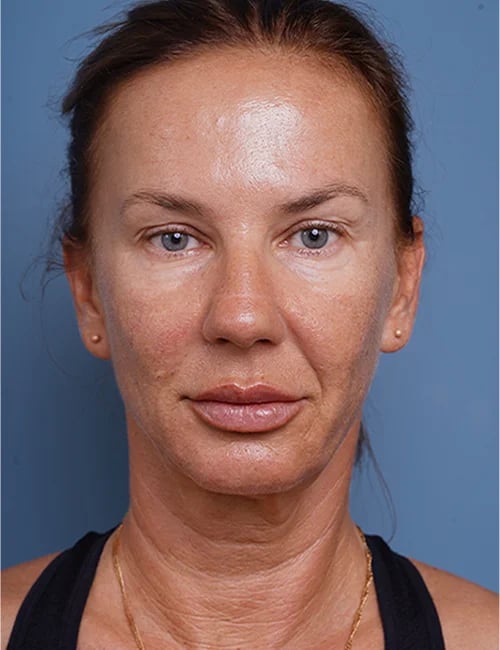
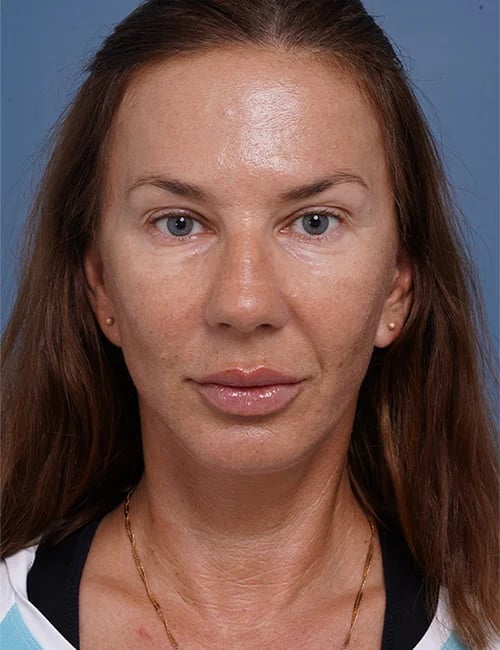
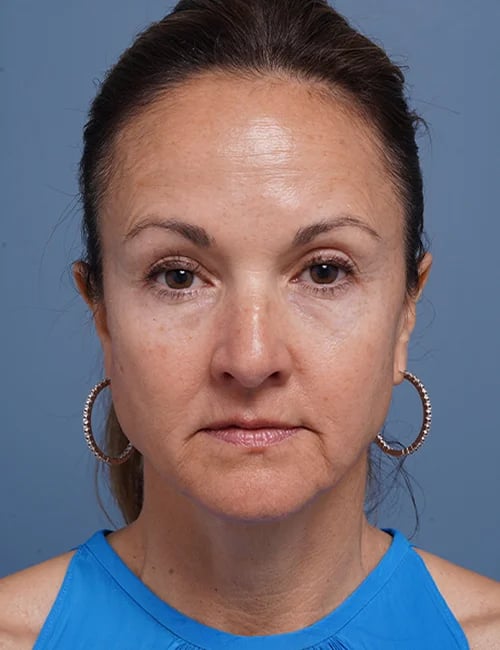
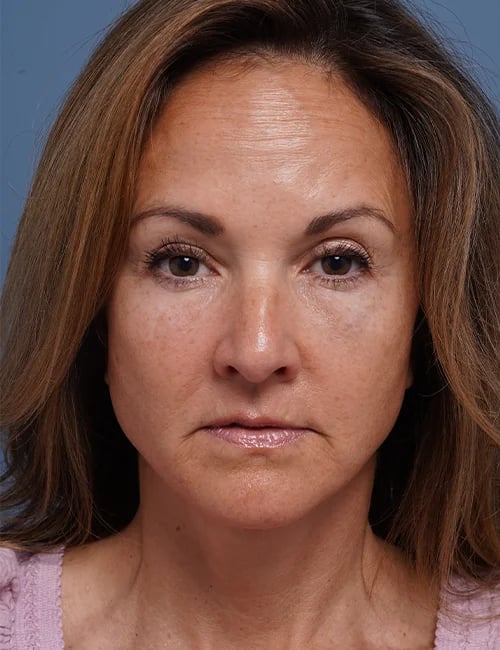
Actual patients of Dr. Justin Bellamy in Palm Beach Gardens. Individual results may vary.
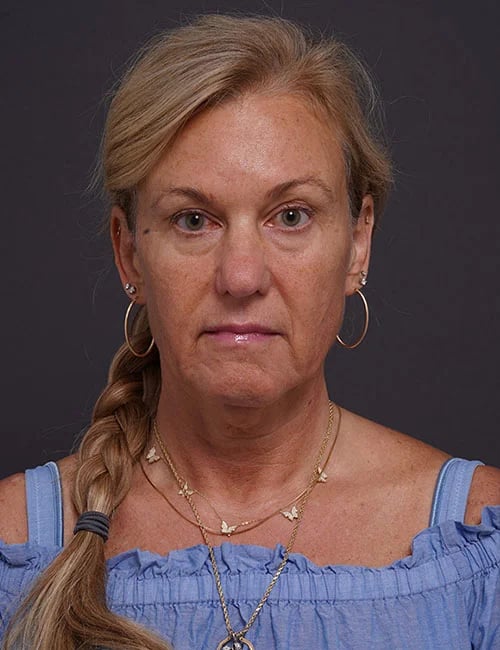
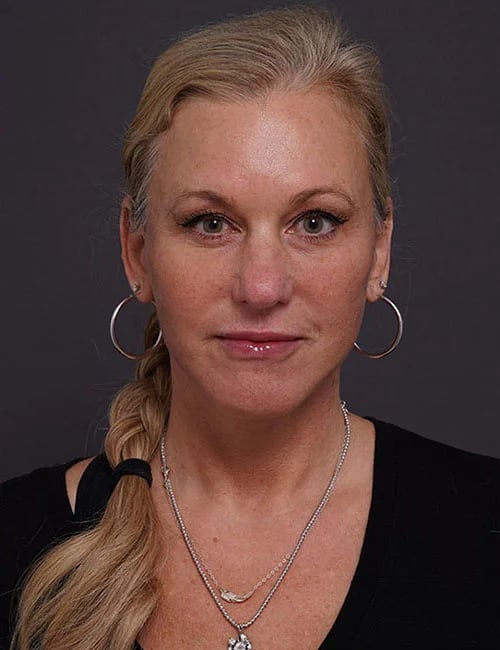
Where a Deep Plane Facelift Stops and a Neck Lift Starts
People often assume a deep plane facelift takes care of the whole neck. It does a great deal for the jawline, the jowls and the upper neck, because those areas are lifted along with the cheek. The lower neck is a different story. Vertical bands from the platysma muscle and loose skin beneath the chin usually need their own attention, which is why many patients have a neck lift planned into the same operation. If bands are your main concern, the article on platysmaplasty for neck bands explains what the muscle work involves, and the guide to neck lift cost in Palm Beach is useful if you are budgeting for both.
Deep Plane, SMAS and Mini Facelifts Compared
The three names get used loosely online, so it helps to separate them. A traditional SMAS lift tightens the supportive layer under the skin and is a good fit for earlier or milder laxity. A deep plane lift releases the retaining ligaments and moves the tissue as a single unit, which is why it is often chosen when the jowls are established and the folds around the mouth are deepening. A mini facelift uses shorter incisions and treats a smaller area, and the write-up on mini facelifts in Palm Beach goes through who tends to qualify. For a side-by-side view of the first two, see the benefits of a deep plane facelift versus a traditional SMAS facelift, and the wider overview of the different types of facelifts covers the rest.
Awake or Asleep: Choosing the Anesthesia Plan
Anesthesia is one of the things patients worry about most, and it is a reasonable thing to raise early. The plan depends on your health, how extensive the operation is, and your own preference, and it is confirmed at your consultation so that it fits your specific surgery. Some patients want to avoid general anesthesia where possible, and the practice offers an awake deep plane facelift for those who are suitable. The article on whether you need general anesthesia for a facelift lays out the trade-offs, and awake surgery is described in more detail on its own page.
Combining a Facelift With Eyes, Brow or Volume
A facelift works on the lower two thirds of the face, so the upper face and the volume of the cheeks sometimes call for something extra. Patients commonly ask about eyelid surgery when the upper lids look heavy, or a brow lift when the brow has dropped. Others find that the face looks flat even after repositioning, and facial fat grafting restores volume using your own tissue. If you are unsure whether fat or filler suits you better, the comparison of facial fat grafting and dermal fillers helps. Adding procedures lengthens the surgery and the recovery, so the extra benefit is weighed against that at consultation.
Risks Worth Understanding Before You Decide
A deep plane facelift is a major operation, and a candid conversation about risk is part of choosing it. Bruising, swelling, tightness and numbness around the ears and cheeks are expected and temporary. Less common issues include a collection of blood under the skin (hematoma), infection, widened or thickened scars, asymmetry, and changes to the hairline near the incisions. Because the dissection happens close to the branches of the facial nerve that move the face, temporary weakness can occur, and permanent injury is rare. Smoking and nicotine sharply raise the risk of poor healing of the skin flap, which is why the nicotine rule earlier on this page is strict. Choosing a board-certified surgeon who performs these operations regularly is the most practical way to keep these risks low.
Is There a Right Age?
Patients are sometimes surprised by how wide the range is. Some come in their forties because the jawline has started to soften, and others wait until their sixties or later and are still good candidates. What matters is skin quality, bone structure, health and expectation, not the number on your birth certificate. The post how old is too old for a facelift tackles the question directly.
Men Considering a Facelift
Male anatomy changes the plan in small but important ways, from where the incisions sit relative to the beard and sideburns to how much the brow and jawline are changed. If you are a man weighing this operation, the article on male facial plastic surgery in Palm Beach explains what is different and what is not.
Looking at Results Before You Book
Before-and-after photos are one of the best ways to gauge a surgeon's style, but they are only useful if you know what to look for. Compare the jawline, the area beside the mouth and the angle under the chin, and check that the ears and the hairline still look natural. The facelift and neck lift gallery shows patients at different stages after surgery, including case 3471. Individual results vary.
Planning From Out of State and Paying for Surgery
Many patients travel for a facelift, and the guide to traveling to Palm Beach for plastic surgery covers timing, accommodation and follow-up. A facelift is an elective cosmetic operation, and the question of coverage is addressed in whether insurance covers a facelift. For personal advice, you can request a consultation with Dr. Bellamy.
More Deep Plane Facelift Questions
Can a deep plane facelift be done awake?
For suitable patients, yes. The anesthesia plan depends on your health, the extent of surgery and your preference, and it is decided at consultation.
Will a deep plane facelift fix my neck as well?
It improves the jawline and upper neck, but vertical neck bands and loose skin under the chin often need a neck lift or platysma work in addition.
What are the risks of a deep plane facelift?
Temporary bruising, swelling and numbness are expected. Less common risks include hematoma, infection, scar widening, asymmetry and, rarely, facial nerve weakness. Not smoking greatly reduces the risk of healing problems.
How is a deep plane facelift different from a mini facelift?
A mini facelift uses shorter incisions and treats a smaller area, which suits earlier laxity. A deep plane facelift repositions deeper tissue over a larger area and is more often chosen for established jowls and mid-face descent.
Should I try non-surgical treatments before a facelift?
That depends on how much laxity you have. Injectables and skin treatments can refresh the face, but they cannot lift sagging tissue. A consultation will show whether surgery or a non-surgical plan better matches your goals.