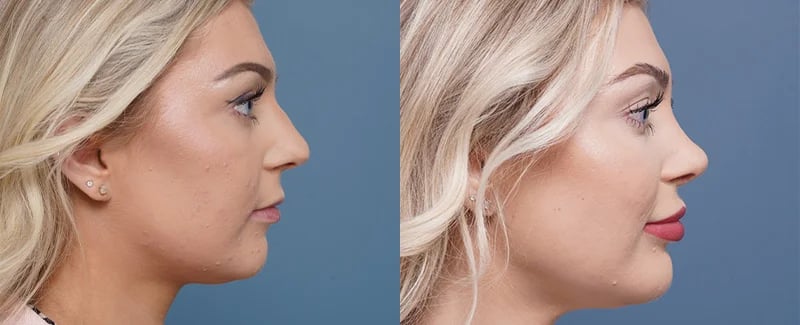
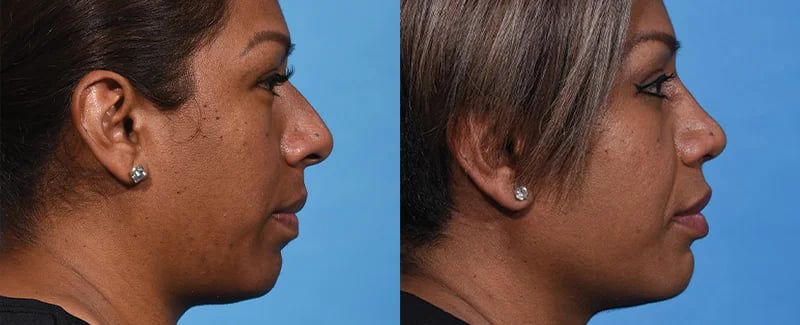

Breathing Comes First
When families ask about a teenager's nose, appearance usually leads the conversation, but breathing deserves equal attention. A bent septum, often from a sports injury or a fall years earlier, can make one side of the nose chronically blocked, disturb sleep and leave a teen tired through the school day. In those cases the operation can correct the airway and the outer shape together, and the general overview of rhinoplasty explains how the two goals are combined. It is a good reason to keep the breathing question on the table even if the first call was about the bridge or the tip.
How Surgeons Judge Whether the Nose Has Finished Growing
There is no single test, and that is why the age range on this page is a guide and not a rule. Surgeons consider the teen's growth history, whether height has leveled off, how mature the face looks, and in some cases additional imaging. Operating before growth is complete can leave a nose that changes in ways nobody planned, which is why waiting is sometimes the most responsible advice a consultation can give. A teen who is told to come back in a year has not been turned down. They are being protected from a result that could shift.
Gentler Approaches and Why Technique Matters
Younger noses tend to have strong, flexible cartilage and a framework worth preserving, which is one reason surgeons often favor restrained techniques. The explanation of preservation rhinoplasty describes how the natural structure of the bridge is kept and reshaped instead of removed, and the practice's reasoning is set out in why Palm Beach patients choose preservation rhinoplasty. Whether an open or closed approach is better depends on the nose, and the article on closed versus open rhinoplasty walks through the differences. Not every nose is a candidate for every technique, and that is decided at the exam.
Heritage and Nasal Anatomy
Noses differ in skin thickness, tip shape and structural support from one family background to another, and a good plan respects those differences instead of erasing them. Families who want to keep a nose that fits their features can read about ethnic rhinoplasty and Hispanic rhinoplasty, and the more technical piece on nasal cartilage technique in ethnic rhinoplasty explains why structure matters as much as shape.
Choosing the Right Time of Year
Timing is practical as much as medical. Most families look for a window that gives at least a couple of weeks away from class and avoids major exams, and many choose a school break so recovery does not collide with attendance. It is also wise to plan around sports seasons, since contact activities have to wait for at least six weeks. Swelling, particularly in the tip, lasts far longer than the first week, so scheduling surgery immediately before a big photo, prom or graduation tends to disappoint. The detailed rhinoplasty swelling timeline shows what to expect over the weeks and months.
Photos, Filters and Realistic Expectations
Teenagers compare themselves with edited and filtered images far more than any earlier generation, and a nose that looks perfect on a screen is not always achievable in real tissue. A good consultation brings those expectations back to what surgery can and cannot do. Virtual imaging helps with the conversation but is not a promise. If a concern seems far out of proportion to what is visible, or the wish seems to come mostly from other people, a pause and a conversation with a pediatrician or counselor may be the better first step. That is a sign of careful care, not of reluctance.
Insurance and the Cost Conversation
The cosmetic part of rhinoplasty is generally not covered by insurance. When a documented breathing problem is being corrected, some insurers may consider that portion medically necessary, though coverage varies by plan and requires documentation. The practice can explain what it will quote at the consultation, and you can reach the team through the contact page.
If a Result Needs Refining
No surgeon can promise that a nose will heal exactly as planned, and teens' noses carry the added variable of growth. If an outcome falls short, revision rhinoplasty is a separate operation with its own considerations, and it is usually delayed until healing is complete.
Choosing a Surgeon and Seeing Results
Credentials, experience with young patients and a willingness to say no are all worth weighing, and the checklist in five tips for choosing your Florida rhinoplasty surgeon is a sensible starting point. You can read more about Dr. Bellamy's background and browse the rhinoplasty gallery, remembering that individual results vary and gallery cases may not be teenage patients.
More Teen Rhinoplasty Questions
Is it worth waiting until after a sports season or exams for teen rhinoplasty?
Often, yes. Contact sports need at least six weeks off, and swelling is still changing for months, so most families schedule around a school break and the sports calendar.
How do surgeons tell whether a teenager's nose has finished growing?
They look at growth history, whether height has leveled off, facial maturity and sometimes imaging. The age range is a guide, and the final decision is made at examination.
Can a teenager have preservation rhinoplasty?
In suitable noses, yes. Preservation techniques keep and reshape the natural bridge structure, and whether they fit depends on the individual anatomy, which is assessed at consultation.
Will insurance cover any part of teen rhinoplasty?
Cosmetic changes are generally not covered. If a breathing problem is documented, some insurers may cover that portion, though this varies by plan.