

Act One: Surgery Day, the Costume You Don't Choose
On the day of your surgery itself, the specific compression garment you wear is determined entirely by your surgical plan, not by personal preference, and it's typically applied in the operating room immediately following your procedure, before you're even fully awake from anesthesia. This first garment is chosen specifically to manage swelling and support your healing tissue from the earliest possible moment, and it's worth understanding that this initial garment may look and feel different from what you'll transition to in later weeks, since its job at this exact stage is different from the job later-stage garments perform.

For patients undergoing procedures like Lipo 360 or tummy tuck, this initial garment typically wraps the treated area snugly but is designed with medical staff access in mind, allowing for the practical realities of early post-operative monitoring and any necessary dressing changes during your immediate recovery.
Act Two: The First Week, Continuous Wear With No Intermissions
For most body contouring procedures, the first week following surgery calls for essentially continuous compression garment wear, removed only for brief, specifically permitted intervals for hygiene purposes, following whatever specific guidance your surgical team provides, whether you've had liposuction, a tummy tuck, or a Brazilian Butt Lift where garment fit requires its own specific considerations around the treated area. This is the phase where compression is doing its most active, important work, supporting healing tissue, helping manage the swelling that peaks during this exact window, and helping the treated area begin settling into its intended new contour.
It's worth being direct that this phase is often the most physically uncomfortable stretch of the entire garment timeline, both because swelling is at its peak and because the restriction on removing the garment feels most significant this early in recovery, when patients are also managing the broader discomfort of early healing more generally.
Act Three: Weeks Two Through Four, When the Rules Start Changing
As you move into the second through fourth week following surgery, the specific compression requirements typically begin loosening somewhat, though the exact timeline and specific permissions vary by procedure and by your individual healing progress as assessed by your surgical team. This is often the phase where patients are permitted longer breaks from the garment for showering and specific activities, while still being expected to wear compression for the majority of each day.
This transitional phase is worth understanding specifically because it's where patients most commonly either become too lax too early, removing garments for extended periods before their surgical team has actually cleared this, or, conversely, remain overly restrictive longer than necessary out of excess caution, when their specific healing progress would actually support a more relaxed schedule. Neither error is ideal, which is exactly why checking in directly with your surgical team about your specific, individual progress during this phase matters more than following a generic, one-size-fits-all timeline found online.
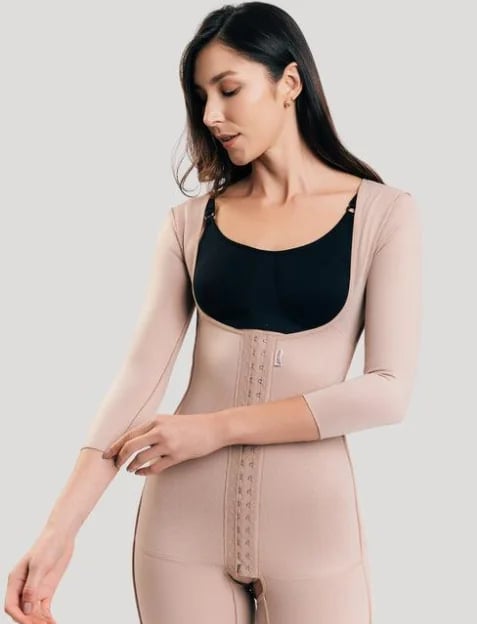
Act Four: Weeks Four Through Eight, The Supporting Role Continues
By this stage, many patients have transitioned to daytime-only compression wear, or a garment worn during specific activities rather than continuously throughout the day, though this varies considerably by the specific extent of your procedure and your individual healing pace. This phase still matters meaningfully for your final result, even though the intensity of the requirement has lessened from the earlier acts, since your tissue is still actively settling into its final contour during this window, and consistent, appropriate compression continues supporting that process even as the daily requirement becomes less restrictive than it was in the first weeks.
Act Five: Beyond Eight Weeks, When the Costume Comes Off for Good
For most patients, compression garment requirements conclude somewhere in the range of six to eight weeks following surgery, though more extensive procedures or slower individual healing patterns can reasonably extend this timeline further, and your surgical team's specific guidance for your own procedure and progress should always take precedence over any general timeline described in content like this piece. This final act typically involves a gradual, rather than abrupt, transition away from compression entirely, since your body has been supported by consistent compression for an extended period, and an abrupt stop can sometimes feel jarring even once your tissue has genuinely healed enough to no longer require it.
Why Skipping Scenes in This Sequence Actually Matters to Your Result
It's worth addressing directly why this staged sequence isn't simply a comfort or convenience consideration, but something that genuinely affects your final surgical outcome. Compression garments help manage swelling, which in turn affects how your skin and underlying tissue settle into their final position and contour following surgery. Inconsistent wear, whether from removing garments too early, too often, or for extended unauthorized periods, can contribute to prolonged swelling, less predictable healing, and in some cases can affect how well your final result matches what your surgery was actually designed to achieve. This isn't intended as an alarming worst-case framing, most patients who occasionally deviate slightly from a perfect compression schedule still achieve excellent results, but consistent adherence genuinely supports the best possible outcome your specific surgery is capable of producing.
A Note on Garment Sizing as Your Body Changes Through Recovery
One detail rarely explained clearly: your compression needs, and the specific garment size that fits appropriately, often change across these different acts, since swelling itself changes substantially from the first week to the eighth. A garment sized correctly for the significant swelling present in week one may become too loose to provide meaningful compression by week four or five, once swelling has substantially resolved, meaning many patients reasonably transition through more than one garment size across their full recovery timeline rather than wearing a single garment throughout. This is worth discussing directly with your surgical team rather than assuming your initial garment should serve your entire recovery period regardless of how your body changes during that time.
What Happens If You Have a Combined Procedure
For patients undergoing combined procedures, addressing multiple areas in a single surgery, such as a full mommy makeover combining several body and breast procedures at once, the compression garment picture becomes correspondingly more complex, since different treated areas may have somewhat different specific timelines and requirements running in parallel rather than a single, unified schedule. This is worth discussing specifically and directly during your pre-surgical planning, so you understand clearly what your own particular combination of garments and timelines will actually look like, rather than assuming a single procedure's typical timeline applies uniformly to your more extensive combined surgical plan.
What to Actually Ask Your Surgical Team About Your Own Timeline
Given how much individual variation exists across this staged timeline, the most useful thing you can do is ask your specific surgical team for your own personalized schedule, in writing if possible, rather than relying on a general timeline from any external source, including this piece. Ask specifically what garment or garments you'll need at each stage, how compliance will be assessed at your follow-up visits, and what signs would indicate you should extend a particular phase longer than the general schedule suggests, since your own healing pace is the actual determining factor, not a generic calendar.
Dr. Bellamy's surgical team provides patients with a specific, individualized compression garment schedule tailored to their particular procedure, whether that's Lipo 360, tummy tuck, or a combined surgical plan, rather than a generic timeline applied uniformly across every patient. This guidance is reviewed and adjusted at follow-up visits based on each patient's actual individual healing progress.
Frequently Asked Questions
How long do I actually need to wear compression garments after body contouring surgery?
This varies by procedure and individual healing, but most patients transition through several stages over roughly six to eight weeks, from near-continuous wear in week one to gradually reduced requirements afterward.
Can I take my compression garment off to shower during the first week?
Typically only for brief, specifically permitted intervals following your surgical team's exact guidance, since the first week generally calls for near-continuous wear to support healing during peak swelling.
Will I need more than one size of compression garment during recovery?
Often yes, since swelling changes substantially from the first week to the later weeks of recovery, meaning a garment sized correctly early on may become too loose to provide meaningful compression later.
What happens if I stop wearing my compression garment too early?
This can contribute to prolonged swelling and less predictable healing, potentially affecting how well your final result matches what your surgery was designed to achieve.
Do combined procedures require more complex compression garment schedules?
Yes, often involving multiple garments with somewhat different timelines running in parallel, which is worth discussing specifically during pre-surgical planning.
Should I follow a general online timeline or my surgeon's specific instructions?
Always follow your surgical team's specific instructions for your individual procedure and healing progress, since general timelines are meant as background context, not a replacement for personalized guidance.
Ask Dr. Bellamy for Your Own Compression Schedule
If you are planning body contouring or are partway through recovery, contact Bellamy Plastic Surgery for the garment schedule that fits your procedure. Call (561) 705-0044 or complete our online contact form.