
What a Seroma Actually Is, in Plain Terms
A seroma is a collection of clear or straw-colored fluid, generally serum, the liquid component of blood without red blood cells, that accumulates in a pocket beneath the skin, most commonly in an area where tissue has been separated or repositioned during surgery, as is often the case following body contouring procedures like Lipo 360 or tummy tuck. This is genuinely similar to a slow plumbing leak in a house, fluid that shouldn't be accumulating in a specific space is nonetheless finding its way there, and the practical question, just as with a household leak, is whether this is a minor, self-resolving issue or something requiring direct professional attention.
Why This "Leak" Happens in the First Place
When tissue is separated during surgery, whether through liposuction removing fat or a tummy tuck repositioning skin and underlying tissue, small blood and lymphatic vessels in that area are inevitably disrupted as part of the surgical process itself. Your body's natural response involves some degree of fluid production in the healing area, similar to how a construction project disrupting existing plumbing might create some incidental water pooling before everything settles and reseals properly. In most patients, this fluid is naturally reabsorbed by the body or drained through any surgical drains placed during the procedure, resolving as part of the normal, expected healing process without ever becoming a distinct, noticeable problem.

When the "Leak" Is Minor and Self-Resolving
Just as a very small, slow household leak sometimes resolves on its own once the underlying disruption settles, a small, minor seroma is a genuinely common, generally self-limiting part of recovery for many body contouring patients, particularly following more extensive procedures involving significant tissue separation. A minor seroma typically presents as a soft, fluid-filled area that may fluctuate somewhat in size, generally without significant pain, redness, or warmth suggesting infection, and without a rate of accumulation that appears to be worsening rather than gradually resolving over the following weeks.
This category of seroma is generally managed with continued monitoring by your surgical team at follow-up visits, sometimes with recommendations like continued or adjusted compression garment use to help encourage reabsorption, similar to how a very minor household leak might simply be watched over subsequent weeks to confirm it's genuinely resolving rather than immediately calling in a plumber for something that may settle on its own.
When the "Leak" Requires Direct Intervention
Just as a homeowner would call a plumber directly for a leak that's clearly worsening, involving a significant volume of water, or showing signs of causing additional damage the longer it continues, certain seroma presentations warrant direct medical intervention rather than continued watchful monitoring alone. A seroma that's significantly enlarging rather than stabilizing or resolving, one causing notable discomfort or pressure, or one associated with signs of infection, including increasing redness, warmth, fever, or worsening pain rather than the gradual improvement expected during normal healing, should be evaluated directly and promptly by your surgical team rather than assumed to be following the normal, minor, self-resolving pattern.
The Actual Intervention: Aspiration, the Professional Fix
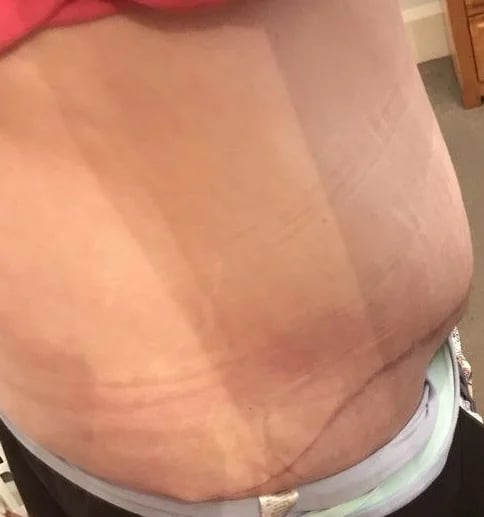
For seromas requiring direct intervention, the most common treatment is aspiration, a straightforward in-office procedure in which your surgeon uses a needle and syringe to directly drain the accumulated fluid, similar in concept to a plumber directly addressing a leak's source rather than simply waiting for it to resolve on its own. This is typically a quick, well-tolerated procedure, though some seromas require more than one aspiration session if fluid continues to reaccumulate after the initial drainage, similar to how a persistent household leak sometimes requires more than one repair attempt before it's fully and permanently resolved.
For seromas that continue recurring despite repeated aspiration, sometimes called a chronic or recurrent seroma, additional intervention may be needed, including, in some cases, a minor surgical procedure to address the specific pocket or space where fluid keeps reaccumulating, similar to a plumber eventually needing to address an underlying structural issue rather than repeatedly patching the same recurring leak.
Why Surgical Drains Exist Specifically to Prevent This Problem
It's worth connecting this discussion directly to the surgical drains many body contouring patients have placed during their original procedure, since these drains exist specifically as a preventive measure against exactly the fluid accumulation problem this piece has been describing throughout. Drains function like an intentional, controlled outlet for exactly the kind of fluid that would otherwise accumulate as a seroma, actively channeling it out of the body during the early, highest-risk window for this specific complication, similar to a plumber installing a deliberate, controlled drainage point specifically to prevent unwanted pooling in a space prone to it.
This is precisely why proper drain management, following your surgical team's specific instructions for monitoring and recording drain output, and not removing drains prematurely against medical guidance, matters directly to your risk of developing a seroma once those drains are eventually removed.
What Factors Increase Seroma Risk in the First Place
Just as some homes are simply more prone to plumbing issues based on their age, layout, and construction, certain factors increase individual seroma risk following body contouring surgery. More extensive procedures involving larger areas of tissue separation generally carry somewhat higher seroma risk than more limited procedures, simply given the larger surface area where this fluid accumulation can potentially occur, which is part of why extensive combined surgeries like breast revision and implant removal get monitored especially closely during follow-up. Prior surgery in the same area, significant activity too soon after surgery against medical guidance, and individual healing variation all play some role as well, meaning seroma risk isn't identical across every patient and every procedure, even when surgical technique itself is excellent.
What You Can Actually Do to Reduce Your Own Risk
Beyond factors outside your direct control, certain patient behaviors genuinely help reduce seroma risk during your own recovery. Following your specific activity restrictions, particularly avoiding overly strenuous movement before your surgical team has cleared you for it, helps minimize unnecessary disruption to healing tissue during the window when seroma risk is highest. Wearing compression garments as specifically instructed, discussed in more detail in our broader recovery content, provides gentle, consistent pressure that helps encourage proper fluid reabsorption rather than accumulation. And attending your scheduled follow-up visits, even when you feel your recovery is progressing smoothly, allows your surgical team to catch and address any developing seroma early, before it potentially progresses from the minor, self-resolving category into one requiring more significant intervention.
What to Actually Watch For and Report to Your Surgical Team
Given everything described above, it's worth being specific about what should prompt you to contact your surgical team rather than simply waiting for your next scheduled visit. A new or noticeably enlarging area of fluid-filled swelling, any accompanying pain that's worsening rather than improving, signs suggesting possible infection like increasing redness, warmth, or fever, or simply significant uncertainty about whether what you're noticing falls into the minor or more significant category, are all reasonable, appropriate reasons to reach out promptly rather than waiting.
Dr. Bellamy's surgical team monitors specifically for seroma risk at every follow-up visit following body contouring procedures, with clear guidance provided on drain management and activity restrictions specifically designed to minimize this risk during recovery. Patients undergoing more extensive combined procedures, such as a mommy makeover, receive correspondingly detailed monitoring given the larger treated area involved.
Frequently Asked Questions
Is a seroma the same thing as a hematoma?
No. A seroma contains clear or straw-colored serum fluid, while a hematoma contains blood, reflecting a different underlying cause, though both involve fluid accumulation beneath the skin following surgery.
Are seromas common after body contouring surgery?
Minor seromas are a genuinely common, generally self-limiting part of recovery for many patients, particularly following more extensive procedures, and don't necessarily indicate anything has gone wrong.
How is a seroma actually treated if it doesn't resolve on its own?
Most commonly through aspiration, a straightforward in-office procedure using a needle and syringe to directly drain the accumulated fluid, sometimes requiring more than one session.
Do surgical drains prevent seromas from happening?
They significantly reduce the risk by actively channeling fluid out of the body during the early recovery window, which is why proper drain management matters directly to your seroma risk.
What symptoms mean I should contact my surgical team about a possible seroma?
A new or enlarging fluid-filled area, worsening pain, or any signs of infection like increasing redness, warmth, or fever warrant prompt contact rather than waiting for your next scheduled visit.
Can I do anything myself to reduce my risk of developing a seroma?
Yes, following your activity restrictions, wearing compression garments as instructed, and attending all scheduled follow-up visits all genuinely help reduce your individual risk.
Ask Dr. Bellamy About Your Body Contouring Recovery
If you have noticed new swelling or have questions about your recovery, contact Bellamy Plastic Surgery so your surgical team can take a look. Call (561) 705-0044 or complete our online contact form.