

Why this question keeps coming up in Palm Beach
Searches for "lipo 360 on Ozempic" and "lipo 360 while on Wegovy" have grown alongside the wider use of GLP-1 medications for weight management. Many people who consider body contouring have already lost weight with these medications, and they want to know whether a procedure that reshapes the abdomen, flanks, and back still makes sense. The short answer is that it can, but the timing, the evaluation, and the planning around anesthesia look different from the standard consultation.
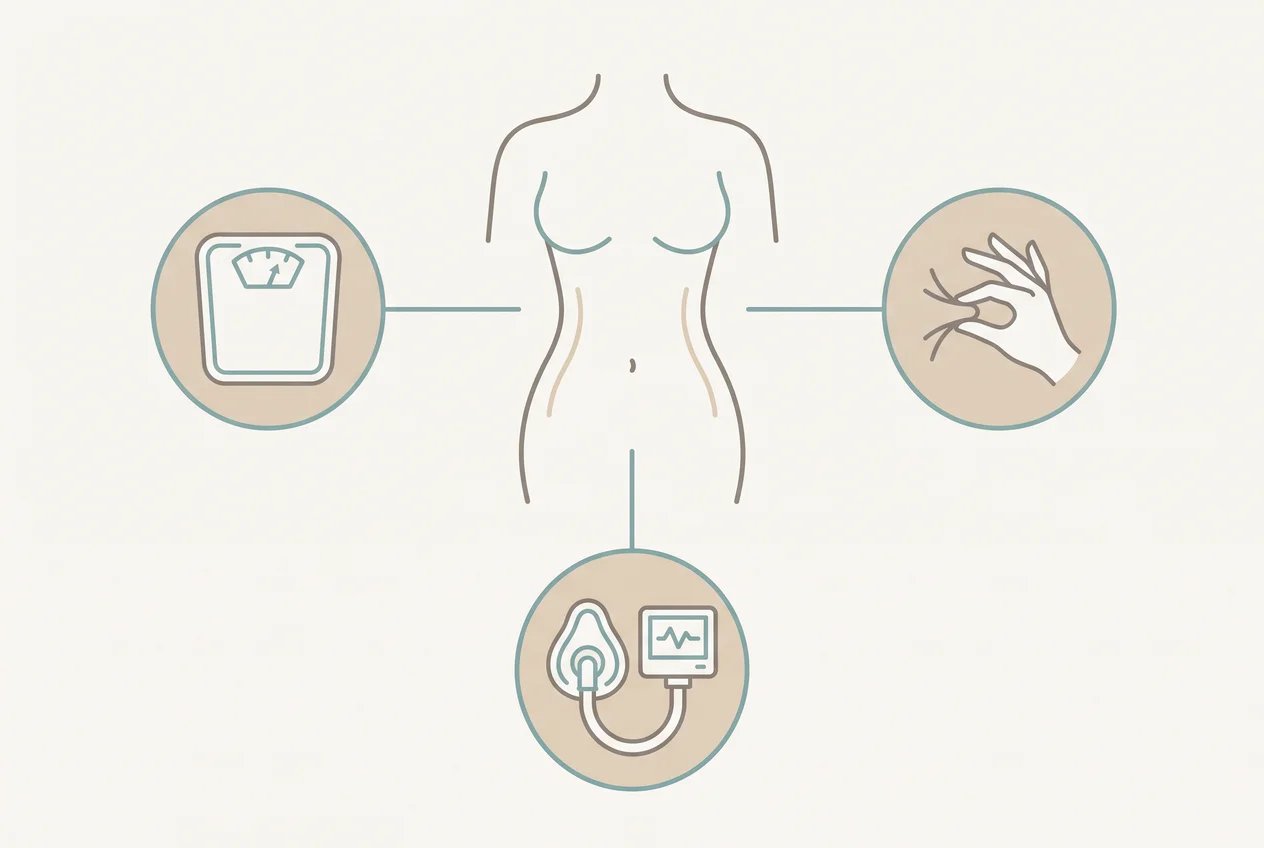
Most of the existing information on the subject focuses on weight loss itself. Far less attention goes to what a surgeon needs to know about the body after the medication has changed fat distribution, muscle tone, and skin elasticity. That gap matters because Lipo 360 is a contouring procedure, not a weight loss treatment, and its results depend on a stable starting point.
Dr. Justin Bellamy practices in Palm Beach Gardens, and the practice evaluates these questions one patient at a time. This article describes the factors the practice typically reviews when a patient taking a GLP-1 medication asks about Lipo 360. It does not promise a specific result, a specific number of centimeters removed, or a fixed timeline. Each plan depends on the examination, the medical history, and the medication schedule. The information here is general and does not replace a consultation with the surgeon and the prescribing physician.
How GLP-1 medications change body shape and fat distribution
GLP-1 receptor agonists reduce appetite and slow gastric emptying, which leads to lower calorie intake for many people. As weight comes off, the body does not lose fat evenly. Some areas shrink quickly, while others change little. Visceral fat, the deeper fat around the organs, often responds differently from the subcutaneous fat under the skin, and the subcutaneous layer is the one that Lipo 360 targets.
This uneven pattern explains why a person who has lost a large amount of weight may still notice a stubborn abdominal bulge, a lower back roll, or heavy flanks. The shape of the trunk changes, but the remaining fat may sit in places that resist diet and medication alone. Surgeons see this pattern in consultations and need to separate residual localized fat from skin laxity, muscle separation, and fluid retention before recommending a plan.
Muscle loss is another variable. Rapid weight reduction can reduce lean mass along with fat, and the loss of firmness changes how the abdomen and waist look after medication. A surgeon evaluates the tone of the abdominal wall, the position of the navel, and the presence of any separation between the rectus muscles. These findings influence whether Lipo 360 alone is appropriate or whether a different combination of procedures fits better.
Why weight stability matters before contouring surgery
Body contouring works best when the patient's weight has stabilized. A person who continues to lose weight during the weeks before surgery may find that the planned result changes after the procedure, because the body keeps reshaping. For this reason, many surgeons prefer to see a stable weight for a defined period before scheduling. The exact period depends on how quickly the weight has come off and on the individual's medical history. Weight trends and their effect on results are also covered in weight changes and Lipo360 results.
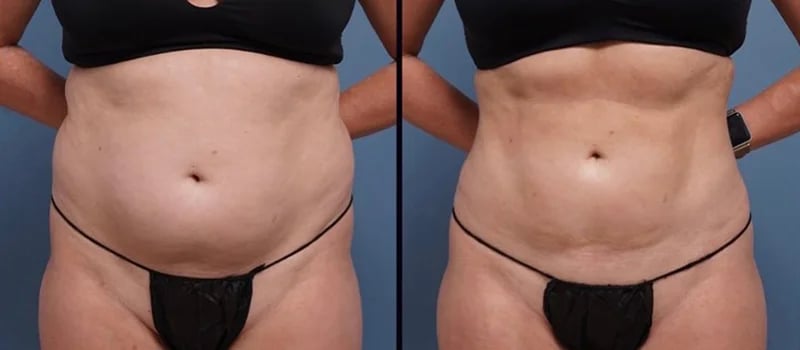
Stability is also a question of trend. A single weigh-in does not show whether the weight is holding. Surgeons often ask for a record of weights over several weeks and for an explanation of any recent changes in medication dose. A medication adjustment that increases appetite or reduces nausea can shift the weight curve, and that shift can alter the timing of a procedure.
Stable weight also protects the result. Lipo 360 removes fat cells in a targeted region, and the remaining skin must adapt to the new contour. If weight rises after surgery, the treated areas may look different than planned. Discussing expected weight goals before surgery, including whether any further loss is planned, keeps the expectations realistic and the result easier to maintain.
Anesthesia planning and holding weekly medications
Anesthesia is one of the most important parts of the planning process for a patient taking a GLP-1 medication. These medications slow gastric emptying, which can increase the risk of retained stomach contents during sedation or general anesthesia. Professional guidance on this topic has changed over time, and the instructions for holding a weekly dose before surgery come from the anesthesia team and the surgeon working together.
In practice, the anesthesia provider reviews the medication name, dose, and the date of the last injection. Some patients are asked to hold a weekly dose for a set number of days before the procedure. Others may need a different plan, particularly if they have symptoms such as nausea, bloating, or reflux. The team may also ask about diabetes medications, because some people take more than one prescription that affects blood sugar.
The prescribing physician should be informed of the planned surgery, and the patient should not stop the medication without that physician's guidance. Stopping the medication suddenly can change appetite, blood sugar, and weight in ways that affect the plan. A written schedule that lists the hold dates, the restart date, and the contact number for questions gives the surgical team and the patient a shared reference.
What Lipo 360 can and cannot address after GLP-1 weight loss
Lipo 360 is designed to reduce localized fat around the entire midsection, including the abdomen, flanks, and back. It can refine the waist and smooth the transition between regions. It cannot remove a large amount of excess skin, and it does not replace the skin tightening that a tummy tuck or a lower body lift may provide. Clear limits help people decide whether the procedure fits their goals. Readers who want the basics of the procedure can review how Lipo 360 treats localized fat before reading further.
After significant weight loss, many people have more skin than fat to address. In those cases, the surgeon may recommend a procedure that removes skin and tightens the abdominal wall. That recommendation is a separate discussion from Lipo 360, and it may involve a different recovery period and a different level of anesthesia. The consultation should address both options so the decision reflects the actual anatomy.
Lipo 360 may still be appropriate when the skin has good elasticity and the remaining fat is concentrated in targeted areas. A comparison of the procedure with a tummy tuck, which explains how the two differ in purpose and recovery, can help clarify where each fits. The surgeon makes that call after examining the tissue, not by looking at the number on the scale.
Skin quality, loose skin, and the limits of volume removal
Skin quality is one of the strongest predictors of a good contour result after GLP-1 weight loss. Skin that has stretched for a long period may not return to its earlier shape, even after the underlying fat is reduced. Surgeons assess skin thickness, elasticity, and the amount of laxity when deciding how much volume can be removed safely and how the final shape will look. The difference between volume removal and skin removal is explained in how Lipo 360 compares with a tummy tuck.
Volume removal has limits. Removing too much fat from one region can leave an uneven surface, and removing fat from areas where the skin cannot retract can produce a loose, rippled appearance. Surgeons generally plan conservative removal when skin quality is limited, and they may stage the treatment over more than one session. The goal is a smooth transition rather than the maximum amount of fat removed in one visit.
A practical test used during evaluation is the pinch assessment, which checks how much skin can be lifted and how quickly it returns to position. The test does not measure everything, but it gives the surgical team a sense of tissue behavior. Combined with photographs and the medical history, it helps set a realistic expectation for the result.
Nutrition, muscle, and recovery on a lower calorie intake
Many people taking GLP-1 medications eat less food overall, and some have difficulty meeting protein needs. Low protein intake can slow wound healing and reduce muscle mass, which affects both recovery and the final contour. A surgeon may ask about typical meals, fluid intake, and any symptoms that limit eating, such as nausea or early satiety.
Recovery after liposuction involves swelling, bruising, and a period of reduced activity. The body needs adequate protein, fluids, and rest during this time. A patient whose intake is very low may take longer to recover, and the team may suggest a nutrition review with a dietitian before the procedure. The review is not a diet plan. It is a check that the body has enough resources for healing.
Muscle health also affects appearance. The abdominal wall, back, and flanks look different when the underlying muscles are firm. A surgeon may discuss exercise routines that support tone, such as gentle core work before surgery and a graded return to activity afterward. Specific programs are individualized, and the clearance for exercise comes from the surgical team.
Coordinating care with the prescribing physician
A person taking a GLP-1 medication often has a primary care physician, an endocrinologist, or a weight management clinician who prescribes and monitors the treatment. Coordinating with that physician is part of safe planning. The surgical team shares the planned date, the procedure, and the anesthesia plan, and the prescribing physician confirms whether a medication change is advisable.
Clear communication avoids conflicting instructions. For example, one clinician may advise continuing the medication, while the anesthesia team asks for a hold. The surgical office can help resolve these questions by sending a written summary to the prescribing physician. The summary includes the procedure, the planned date, the anesthesia requirements, and the contact number for the surgical team.
Some patients take other medications that affect bleeding, blood pressure, or blood sugar. A complete medication list gives the team the information needed to plan the procedure safely. Supplements should be included in the list because some affect clotting or interact with anesthesia.
Timing a procedure around medication changes
Timing matters when a medication dose is changing. A recent increase may cause a rapid weight drop, and a planned reduction may slow weight loss or cause weight to rebound. Surgeons often prefer to schedule once the dose has been stable for a period, because stable medication use makes the weight trend easier to read and the anesthesia plan easier to set.
Seasonal timing also plays a role in Palm Beach. Recovery can be more comfortable during cooler months, and many patients prefer to avoid heavy sun exposure while the incisions and the skin settle. A surgeon may suggest a date that allows a full recovery before a trip, a wedding, or a return to work. The date should follow the medical evaluation, not the calendar alone.
Scheduling also depends on the expected course of the medication. Some people plan to continue the treatment long term, while others plan to taper. The surgical team will want to know which path applies, because it influences the expected weight, the skin response, and the maintenance plan after surgery.
Red flags that call for a pause before surgery
Some symptoms signal that surgery should wait. Persistent nausea, vomiting, abdominal pain, or reflux may point to a gastrointestinal issue that needs evaluation before anesthesia. Dehydration, dizziness, or a recent episode of low blood sugar also call for a review. Any change in breathing, chest discomfort, or swelling in the legs should be reported to the physician before the procedure.
Rapid weight change is another warning sign. A sudden drop or rise in weight in the weeks before surgery can affect fluid balance, medication safety, and the healing environment. The surgical team may ask for lab work or a medical clearance letter from the primary care physician before proceeding.
These pauses are not signs that a procedure will never happen. They are part of a careful plan that protects the patient and the result. In many cases, the surgery is rescheduled once the symptoms resolve and the medication plan is clear.
How the consultation evaluates GLP-1 candidacy
A consultation for Lipo 360 with a GLP-1 history follows a structured path. The surgeon reviews the medication name, dose, start date, and any dose changes. The team records the weight trend, the current eating pattern, and any gastrointestinal symptoms. The examination assesses the abdomen, flanks, back, skin, and muscle tone, and photographs are taken in standard positions.
The surgeon then discusses candidacy. This includes whether the weight is stable enough, whether the skin supports the planned contour, and whether another procedure would address the concern more directly. The anesthesia plan is outlined, and the team confirms the coordination steps with the prescribing physician.
Questions from the patient are part of the process. A useful consultation covers the expected result, the recovery timeline, the risks, and the cost. Written estimates and a summary of the medication plan help the decision feel organized rather than rushed.
Where the decision lands for many patients
For many people, the decision comes down to three questions. Is the weight stable enough to plan a contour? Does the skin have the elasticity to support the change? Is the remaining concern localized fat, or does it involve excess skin or muscle laxity? Clear answers to these questions usually point toward Lipo 360, a different procedure, or a delay until the medication plan settles.
The medication itself is not the only factor. Overall health, nutrition, activity level, and realistic goals shape the outcome. A plan built on these factors is more likely to produce a result that matches the examination and the goals discussed.
Palm Beach patients who take GLP-1 medications can still pursue body contouring when the planning is careful. The practice's role is to evaluate the body as it is today, explain the options clearly, and coordinate the steps needed for a safe procedure.
Estimating the cost of a GLP-1 candidacy review
Cost questions often arrive early in the planning process, and they are reasonable questions. A contour procedure that follows a GLP-1 weight loss may involve additional steps that a standard Lipo 360 quote does not show. These steps can include lab work requested by the anesthesia team, a medical clearance letter from the primary care physician, and a longer follow-up schedule. An itemized estimate that separates the surgeon's fee, the facility fee, the anesthesia fee, and any pre-operative testing makes the total easier to understand.
The number of treatment areas and the amount of fat removed also influence the price. A single region costs less than a full circumferential treatment, and a staged plan spreads the cost over more than one session. Staging can make sense when skin quality is limited, because the team can assess the result before deciding on the next step. The estimate should state which areas are included and what the staged plan would cost if a second session is needed.
Financing options exist for many cosmetic procedures, and the office can explain the available programs. Payment timing matters. Some practices collect a deposit at booking and the balance before surgery, while others structure payments differently. Clear written terms help the decision feel manageable, and a short summary of the payment schedule keeps the planning organized.
Living with the medication after surgery
Many people continue GLP-1 treatment after a contour procedure. The medication does not undo the work of surgery, but it can change the weight trend in the months that follow. A person who loses weight after surgery may see the contour shift, and a person who gains weight may find the treated areas look different. Planning for maintenance is part of the surgical plan, not an afterthought.
The surgical team usually discusses a maintenance target, which is a range of weights and a set of habits that help keep the result stable. These habits include regular protein intake, resistance training, and scheduled check-ins to review the weight and the appearance of the treated areas. The prescribing physician can adjust the medication if the weight moves outside the range.
Some patients plan to taper the medication after reaching a goal weight. Tapering can change appetite and weight in ways that differ from person to person. A structured taper with monitoring helps the team see the trend early and respond with nutrition or exercise changes. The timing of the taper should be discussed before surgery so the plan is clear from the start.
Follow-up milestones in the first three months
The recovery timeline after a contour procedure is divided into stages. The first week focuses on swelling, bruising, and compression garment use. The second and third weeks often bring a return to light daily tasks, with restrictions on heavy lifting and strenuous exercise. Between the fourth and the twelfth week, swelling decreases, and the contour becomes clearer as the tissues settle.
For patients taking a GLP-1 medication, the follow-up schedule may include extra checks on hydration, nausea, and protein intake. These symptoms can affect healing and comfort, and the team may suggest an adjustment to the diet or the medication plan. Any sign of infection, excessive drainage, or a sudden change in the appearance of the treated area should be reported right away. The office can advise whether a visit is needed.
Photographs at set intervals help the surgeon judge progress. Comparing images taken at the same time of day, under similar lighting, shows the true trend and avoids reactions to temporary swelling. The final result becomes clearer several months after surgery, and the surgical team sets a date for a review at that point.
Questions the surgical team should answer before scheduling
A productive consultation includes specific questions about the plan. The team should explain how it evaluates weight stability, what anesthesia requirements apply to the medication, and whether any pre-operative testing is needed. The team should also describe the expected recovery steps, the follow-up schedule, and the criteria for postponing surgery.
Questions about the surgeon's experience with patients who take GLP-1 medications are reasonable. The answer should describe the number of similar cases, the standard evaluation steps, and the coordination with the prescribing physician. A general answer that does not address the medication, the anesthesia plan, or the skin evaluation is a sign that more detail is needed before scheduling.
The surgical team should also explain what happens if the medication changes after surgery. The plan may include a follow-up visit, a review of the weight trend, or a discussion of whether a second treatment is appropriate. Knowing this in advance removes uncertainty from the months that follow.
Skin texture, sun exposure, and the healing environment
Skin texture changes during GLP-1 weight loss, and the surface can look dull, dry, or uneven. These changes are not always visible at a glance, but they affect how the tissue heals after liposuction. Surgeons often note the condition of the skin in the treatment area, including any stretch marks, scarring, or pigment changes, because these features influence the final appearance and the choice of incision placement. A procedure that removes skin rather than fat is described in tummy tuck planning.
Sun exposure during the healing period can slow the settling of the skin and make scars more noticeable. Clinicians commonly advise patients to limit direct sun on incisions and treated areas for an extended period. Palm Beach sunshine is strong for much of the year, so the plan for protection is part of the recovery schedule rather than an optional step. Loose-fitting clothing, shade, and a sunscreen recommended by the team all play a role.
Hydration and skin care affect healing as well. Adequate fluids support circulation and skin elasticity, which matter when the tissues are recovering. The surgical team may recommend a simple skin routine that avoids harsh products near the incisions. The routine should be reviewed before surgery so that any new product does not irritate the skin during recovery.
What the practice documents at the first visit
The first visit produces a record that guides every later decision. The record includes the medication history, the weight trend, the medical conditions, the current medications and supplements, and the results of the physical examination. Photographs in standard positions and a list of the patient's goals complete the documentation. A clear record makes the follow-up visits more efficient and helps the team compare progress over time.
The record also protects the quality of the plan. When a patient changes medication or weight after the first visit, the team can compare the new information with the baseline and decide whether the plan needs adjustment. Without a baseline, these comparisons are guesswork.
Patients receive a summary of the visit that outlines the recommended steps and the open questions. The summary helps the patient discuss the plan with family members or with the prescribing physician. It also records the agreed timeline for the next decision point, which keeps the process moving without rushing it.
Common misconceptions about GLP-1 patients and contouring
One misconception is that a person who takes a GLP-1 medication will automatically lose enough weight to avoid liposuction. The medication may reduce overall weight, but it does not guarantee a smooth contour, and some stubborn areas stay the same. Another misconception is that a person who has lost weight should always have a skin procedure instead of liposuction. Skin quality varies widely, and many people with good elasticity are appropriate candidates for targeted fat removal.
A further assumption is that the medication makes surgery unsafe in all cases. The risk depends on the medication, the dose, the anesthesia plan, and the individual's overall health. With careful coordination, many patients proceed safely, while others need to wait. The evaluation is the only reliable way to tell the difference.
Clear information corrects these assumptions. The consultation gives the patient a realistic view of what the medication changes, what the procedure can address, and what the next steps look like. That view allows a decision based on the examination rather than on general claims found online.
Frequently Asked Questions
Can Lipo 360 be done while taking Ozempic or Wegovy?
It can be considered in some cases, but the decision depends on the medication schedule, the weight trend, the anesthesia plan, and the skin quality. The surgical team coordinates with the prescribing physician before setting a date.
Do patients need to stop GLP-1 medications before liposuction?
Many anesthesia teams ask patients to hold weekly doses for a set number of days before sedation. The exact instructions come from the anesthesia provider and the surgeon, and the medication should not be stopped without guidance from the prescribing physician.
Will Lipo 360 remove the loose skin left after weight loss?
Lipo 360 reduces localized fat but does not remove significant excess skin. When skin laxity is present, the surgeon may recommend a procedure that tightens or removes skin, and that recommendation is discussed separately during the consultation.
How long should weight be stable before body contouring?
The length of time depends on how quickly the weight has changed and on the individual medical history. Surgeons usually look for a trend over several weeks rather than a single reading.
Does GLP-1 use change the recovery after Lipo 360?
It can. Lower food intake may affect protein intake and energy, and nausea or reflux may need management during recovery. A dietitian review and close follow-up can support healing.
How can a consultation be booked with Dr. Bellamy's office?
Patients can contact the Palm Beach Gardens office to schedule a consultation. The office can explain what to bring, including a current medication list and a record of recent weights.
Plan Lipo 360 Around Your GLP-1 Medication
Timing, skin quality and anesthesia planning are reviewed one patient at a time. Contact Bellamy Plastic Surgery to request a consultation with Dr. Bellamy. Call (561) 705-0044 or complete our online contact form.