










- Gender
- Female
Description
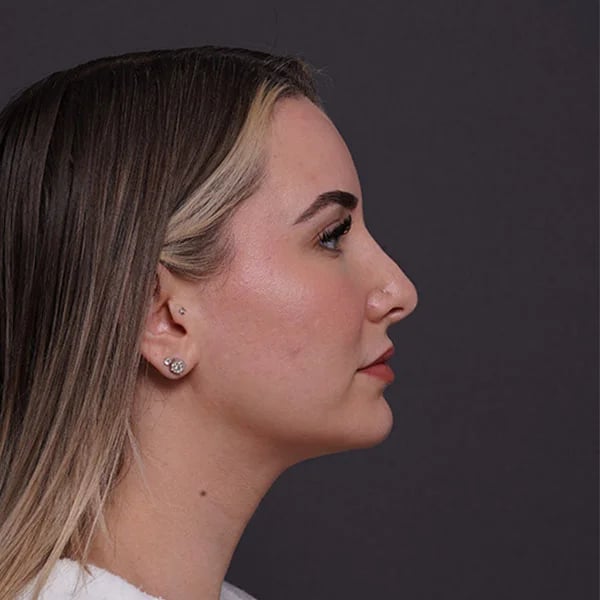
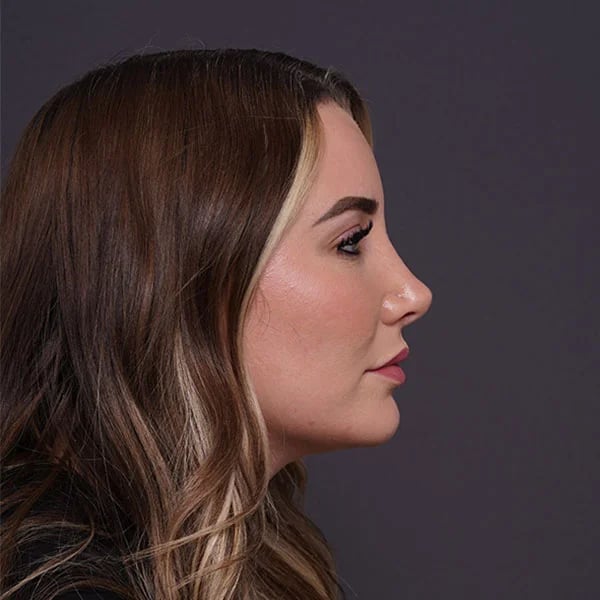
Patient is 4 months post revision closed rhinoplasty.
How a Revision Differs From a First Operation
A revision rhinoplasty differs from a first operation in several ways. The patient has already been through healing once, and the nose has already been altered. This case is recorded as a female patient four months after a revision closed rhinoplasty, which means the nose was operated on before, and the approach this time was closed, with incisions inside the nostrils. Both facts shape how the photographs should be read. Individual results vary, and these photographs show one patient's outcome.
A Different Kind of Surgery
It is natural to assume that a second operation is simply the first one repeated with corrections. In practice, it is closer to renovating a house that has already been renovated. Walls have been moved, materials replaced and scar tissue laid down in layers, and the surgeon has to understand what is left before deciding what to change. The anatomy no longer looks the way a textbook describes it, supports may be weakened or missing, and the skin has already been stretched and healed once. That is why revision work is generally regarded as more demanding than primary surgery, and why the details of the previous operation matter so much.
Scar Tissue: Obstacle and Material
Scar tissue is a major factor in a revised nose. It can obstruct, because it binds structures together and makes tissue planes harder to separate. It can also help, because mature scar adds some firmness and can sometimes be worked with. Surgeons generally release what must be released, preserve what can be preserved and rebuild where support has been lost. The scarring is also why timing matters. Operating too soon, while the tissues are still inflamed, makes everything harder.
Where the Rebuilding Material Comes From
Many revisions require extra structural material, particularly when earlier surgery removed cartilage. The nose itself is the first source, usually the septum, since it sits within the same operative field. When the septum has already been used, surgeons may borrow cartilage from the ear or, for larger needs, from the rib. Each has advantages and drawbacks, and the choice depends on how much material is needed and what shape it must take. The plan for the new structure is usually made before surgery.
Can a Revision Be Closed
The closed approach, with every incision inside the nostrils, suits some revisions and not others. It preserves more of the natural attachments and avoids an external incision, but it limits visibility. For a limited refinement it can be a suitable route, while heavily scarred or structurally damaged noses are sometimes easier to correct with direct exposure. The surgeon's decision comes down to what the individual nose needs, and the real trade-offs between closed versus open rhinoplasty are not always clear-cut.
Four Months After a Revision: A Slower Clock
Healing after a revision usually runs longer than after a first rhinoplasty. The tissues have been through trauma before, blood supply is less abundant, and swelling tends to linger. A nose at four months after revision is more likely to look unfinished than a primary nose at the same stage, and the tip may remain fuller than expected. This does not mean the result is failing. The week-by-week pattern in the rhinoplasty swelling timeline describes the general course, and patients having a revision should expect to stretch it.
Reading Photographs of a Revised Nose
It helps to see the nose from several angles, because revision concerns can show in the profile and the front view. Look at the bridge for a smooth, continuous line and at the tip for position and shape. Check whether the nostrils match, whether the sides of the nose are even, and whether the contour looks stable and supported. Notice also whether it looks overworked, pinched or hollowed. Subtlety is often a priority in a revision.
Breathing Matters Too
Patients seeking a revision often have a functional complaint they have hesitated to mention. A pinched tip, collapsing nostrils or an obstructed airway can accompany an earlier operation, and correcting them is as important as correcting shape. A nose that looks good but breathes poorly is an incomplete result. Planning rhinoplasty means weighing airflow and appearance together, and the common reasons a second operation is needed, from collapse to residual deformity, are what revision rhinoplasty exists to address.
Thin Skin and Visible Edges
After an earlier rhinoplasty, thin skin over the bridge or tip can reveal edges, grafts or irregularities that were not obvious before. This happens more often in revisions because the skin has already been elevated and the structure beneath it may have been reduced. Remedies include careful placement of soft-tissue coverings and grafts, and a conservative approach to further reduction. A common priority in revision work is protecting what remains.
Knowing When to Stop
In revision work, knowing when to stop matters. Each additional maneuver costs tissue the nose cannot spare. A revision may mean doing less than the patient expected. In some cases, the advice is to wait, because an unsettled nose can look worse than it will in a year.
Preservation as a Way of Thinking
The philosophy behind preservation techniques, reshaping existing structure instead of cutting it away, matters more after a first operation has already taken something. Whether it is possible in a revised nose depends on how much of the original structure remains, but the mindset of protecting natural support is valuable throughout. It is a similar idea to preservation rhinoplasty, a trend traced in why Palm Beach patients choose preservation rhinoplasty.
Heritage and Personal Features
Noses differ among families and backgrounds, and a revision should take those features into account. The approaches discussed in ethnic rhinoplasty and Hispanic rhinoplasty place heritage at the centre of planning, and the thinking in refining without erasing heritage applies to anyone who wants to improve a nose without changing its character.
When Someone Else Did the First Operation
Many revision patients had their original surgery elsewhere, sometimes years earlier, sometimes in another state. In those cases operative notes, photographs from before the first surgery and details of what was removed or grafted all help, and patients who can supply them make the work easier. When records are missing, the surgeon learns the nose by examining it, feeling its structure and sometimes using imaging. That assessment informs the plan.
Expectations Versus Possibility
A revised nose rarely returns to a blank slate, so the honest goal is improvement and not erasure. Some problems can be largely corrected, others only partly, and a few cannot be corrected without trading one flaw for another. A consultation is the place to discuss this. No particular outcome can be promised, and understanding the limits at the start helps set realistic expectations.
Why Early Photographs of a Revised Nose Can Look Unfinished
Revisions can look unfinished in the early months. The tissues are slow to settle, skin may drape unevenly and the tip can appear fuller than the surgeon intended. It is tempting to read these pictures as the result, and that can lead to premature worry or an unnecessary further revision. Waiting is difficult, but it is often a sensible first step.
Sports, Glasses and the Practical Side of Recovery
Life goes on while the nose heals, and a few practical questions come up repeatedly. Contact sports and anything with a risk of a blow to the nose should wait until the surgeon clears them, and heavy lifting and intense exercise are usually restricted for a period. Glasses can press on a healing bridge, so patients are often advised to take care with how they are worn. Sun protection also matters, because healing skin darkens easily. None of these rules is complicated, but following them protects the work that has been done.
Travelling for Revision Surgery
Patients seeking a revision often look beyond their home city for a surgeon with specific experience. Doing so brings logistics, such as how long to stay and when follow-up visits happen. The planning details for traveling to Palm Beach for plastic surgery from out of state are worth reading before booking, because a revised nose needs closer follow-up than a first operation.
Looking After a Revised Nose Over the Long Term
After the initial healing, the nose needs little special care, but a few habits help. Protect it from sun, avoid trauma where possible, and keep follow-up appointments in the first year while the shape matures. If breathing changes or a new irregularity appears, report it early. Most of the work of protecting it after healing is simply common sense.
Why Revision Results Are Judged Over Years, Not Weeks
A primary rhinoplasty is often judged at a year, and a revision deserves even longer. Tissue that has been operated on twice takes time to soften, and subtle changes continue into the second year. Photographs at twelve and eighteen months may look different from those at four months, which is why patience comes up so often in revision surgery.
The Emotional Side of Doing It Again
Many people approach a second rhinoplasty with some apprehension. Disappointment from a first outcome, the fear of repeating it and the pressure of a visible area can make decisions feel heavy. A consultation is a chance to talk about that, including what is realistic, what can and cannot be corrected, and what recovery may involve. There is no need to rush the choice. Taking time before committing is a sign of good judgment, not of indecision.
Choosing a Surgeon for Revision Work
Experience with revision work is worth asking about. Weighing credentials, volume of revision work and candour about limits is easier with a framework, and choosing a Florida rhinoplasty surgeon provides one. Dr. Justin Bellamy's background is available for comparison, and the rhinoplasty gallery offers more cases to study. When you want to discuss your own nose, you can request a consultation.
Common Questions at Four Months
Is a revised nose finished healing at four months?
Not yet. Revisions usually heal more slowly than first operations, and the tip in particular may keep refining for a year or more.
How long should I wait before considering another revision?
Surgeons generally advise waiting until healing is complete, often a year or longer, so the nose can be judged once swelling has resolved.
Why is revision rhinoplasty more complex?
Scar tissue, altered anatomy and sometimes missing structural support make revision more technically demanding than a first operation.
Where does extra cartilage come from in a revision?
The septum is the first source, followed by cartilage from the ear or, when more is needed, from the rib. The choice depends on how much material is required.
Can a revision be done through a closed approach?
Sometimes. A closed approach can work for limited refinements, while heavily scarred or structurally damaged noses are often easier to treat with direct exposure.
Will a revision improve my breathing as well as my appearance?
It can. Functional problems such as a collapsed tip or an obstructed airway are commonly addressed during revision along with the shape of the nose.