

Hispanic rhinoplasty in South Florida is a request we hear often, and it rarely sounds like "make my nose look like someone else's." Far more often, a patient says something closer to this: "I want my nose to fit my face better, but I still want to look like me, and like my family." That is the right goal. Good rhinoplasty for Hispanic and Latino patients is about refinement, balance and breathing, not about swapping one ancestry's features for another's.
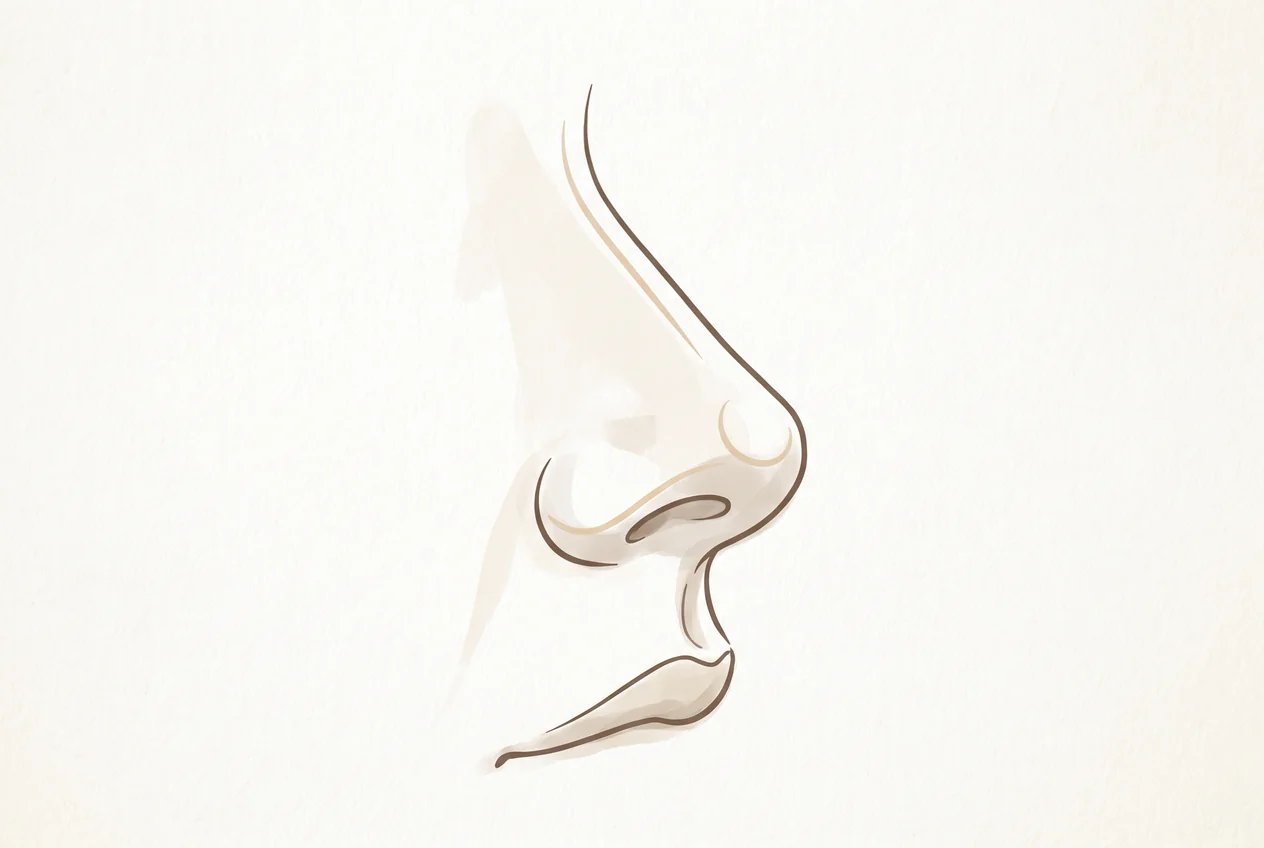
This article is a companion to our main Hispanic rhinoplasty procedure page. Here we go deeper into the questions patients bring to consultation: why there is no single "Hispanic nose," how thicker skin changes what the tip can look like, when cartilage grafts are needed, whether a dorsal hump should be shaved or preserved, how nostril and alar base work is decided, what changes in a revision case, and how to recover when you live where the sun is strong most of the year. You will also find a table that matches common nasal characteristics to the approaches a surgeon may consider, and a checklist of what to bring to your first visit.
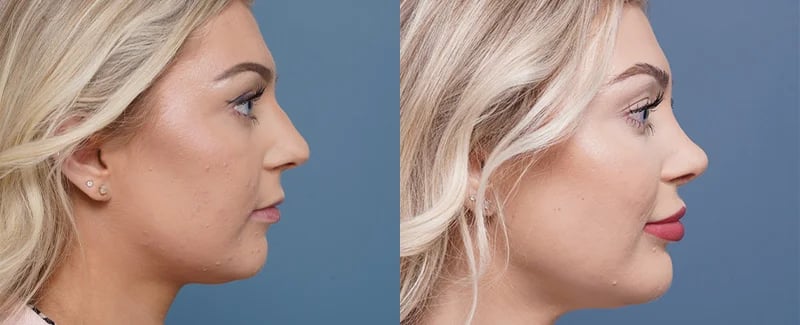
There Is No Single "Hispanic Nose"
"Hispanic" and "Latino" describe language, culture and geography, not one face. People who identify as Hispanic may have Spanish, Indigenous American, African, Middle Eastern or Asian ancestry, often in combination. South Florida reflects this better than almost anywhere: within a single week of consultations a surgeon in Palm Beach County may see patients with Cuban, Puerto Rican, Dominican, Colombian, Venezuelan, Mexican, Central American and Brazilian roots, and many with mixed backgrounds that no label captures.
The surgical literature has tried to organize this diversity. One commonly cited framework, described by Daniel and others, groups noses seen in Hispanic patients into broad patterns. These are descriptions of anatomy, not of people, and many patients fall between them:
- Castilian pattern. Often a higher, longer dorsum (bridge), sometimes with a visible hump, a tip that may droop or project downward, and relatively thinner to medium skin. Concerns here tend to center on the profile.
- Mexican-American or Mestizo pattern. Often a lower or more moderate bridge, a wider and less defined tip, thicker skin, and a broader nostril base. Concerns tend to center on tip definition and width.
- Caribbean or mixed pattern. Often reflects African and European ancestry together, with a lower bridge, a wider base, flared nostrils and thicker skin in some patients, and a mix of traits in others.
We share these categories with patients for one reason: they show that the plan must start from your anatomy, not from a label on an intake form. Two siblings can have very different noses. A patient of Colombian descent may have a nose that fits the "Castilian" description while her cousin's fits the "Mestizo" description. The surgeon's job is to read the specific nose in front of them.
This is also why Hispanic rhinoplasty overlaps with, but is not identical to, the broader principles of ethnic rhinoplasty. The shared idea is respect for the features that connect a person to their family and community. The details (skin thickness, cartilage strength, bridge height, base width) vary from person to person within every group.
Refining Without Erasing: What That Means in Practice
"Preserving heritage" can sound abstract, so it helps to make it concrete. In consultation, it usually means a few practical commitments:
- Change what bothers you, not everything that is changeable. If your concern is a bulbous tip, we do not also need to make your bridge narrower or your profile straighter unless you want that.
- Keep proportions that harmonize with the rest of your face. Lip fullness, cheekbone width, eye spacing and skin tone all influence what a natural nose looks like on you. A very narrow, pinched tip can look out of place on a face with full lips and strong cheekbones.
- Avoid a "template" nose. Social media tends to promote one small, upturned look. That look is hard to achieve in thicker skin, often looks operated on, and may not suit the face it is placed on.
- Protect breathing. Reducing the nose too aggressively, especially at the nostrils and the internal valves, can narrow the airway. A good result looks right and works right.
Thicker Skin and Tip Definition: The Central Challenge
If there is one feature that most shapes Hispanic rhinoplasty, it is skin. Nasal skin varies a great deal, but many Hispanic patients, particularly those with Mestizo or Caribbean ancestry, have thicker, more sebaceous (oily) skin over the tip. This matters for three reasons.
Thick skin hides fine detail. The cartilage underneath can be reshaped precisely, but a thick skin envelope drapes over it like a heavy blanket. Small refinements that would show clearly under thin skin may barely be visible. This is why "make my tip smaller" often fails when the surgeon only removes cartilage.
Thick skin needs support, not just reduction. To show definition through thicker skin, the underlying framework usually needs to be stronger and more projecting, not weaker. Surgeons often add structure (with grafts, sutures and a stable support for the tip) so the skin has something to drape over. Removing too much cartilage under thick skin can leave a soft, round tip that looks worse than before.
Thick skin swells longer. Tip swelling in thicker skin can take many months to settle, and the final refinement may not be visible until a year or more after surgery.
The choice of approach also matters here. Many tip-focused cases benefit from an open approach because it gives the surgeon direct visibility to shape and support the cartilage. Others can be done through internal incisions alone. The tradeoffs are covered in our discussion of open vs closed rhinoplasty, and the right choice depends on what your specific nose needs rather than a preference for one method.
Cartilage Grafting: Septal, Ear and Rib
Because Hispanic rhinoplasty so often involves building structure rather than only removing it, cartilage grafts come up in many consultations. A graft is simply a piece of your own cartilage (or, in some practices, donor cartilage) shaped and placed to support or reshape part of the nose. Common sources are:
- Septal cartilage. The septum is the wall that divides the two nasal passages. It is usually the first choice because it is in the same surgical field, is straight and firm, and taking a portion of it can also help correct a deviated septum. Some patients have a small or weak septum, which limits how much can be used.
- Ear (conchal) cartilage. Taken from the bowl of the ear through a small incision, usually hidden behind or within the ear. It is curved and softer, which makes it useful for certain tip and nostril rim grafts, but less ideal for long, straight supports.
- Rib cartilage. Provides the largest supply of strong cartilage. It is most often considered when significant structure is needed, such as raising a low bridge, rebuilding support in revision surgery, or when septal cartilage is limited. It involves a separate small incision on the chest and its own recovery considerations, including the risk of warping that experienced surgeons plan around.
Grafting is a tool for durable shape and airflow. A plan to "just shave it down" for a thick-skinned, under-supported tip may set up a disappointing result.
Dorsal Hump: Preserve, Reduce or Raise?
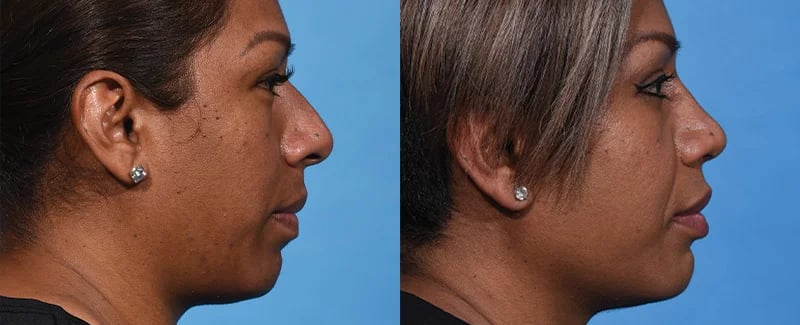
The bridge is where the "refine without erasing" principle is tested most directly. Some patients come in wanting their hump removed entirely. Others want only a softer line. Many patients with a lower bridge want the opposite: a little more height and definition between the eyes.
When a hump is the concern
For a patient with a Castilian-pattern profile, the hump may be the main complaint. A surgeon has two broad options:
- Structural reduction. The hump is removed by trimming bone and cartilage, and the nasal sidewalls are then brought together (often with controlled bone cuts) and reconstructed, frequently with spreader grafts to protect the airway.
- Dorsal preservation. Instead of removing the hump from the top, the surgeon lowers the entire bridge as a unit by removing a strip of tissue underneath it and letting the bridge settle down. The natural surface of the bridge stays intact.
Preservation techniques are popular because they can keep a smooth, natural bridge line and may reduce the chance of certain irregularities. They are a strong option for the right anatomy, usually a moderate hump with a reasonably straight nose, and our page on preservation rhinoplasty explains the technique in more detail. They are not appropriate for every bridge, particularly when the nose is very crooked, when the hump is mostly bony and large, or in some revision cases.
Keeping a little character
Many patients ultimately choose to keep a small amount of their profile. A slight curve can look elegant and natural, especially in men and in patients whose parents and siblings share the feature. A completely straight or scooped bridge can look surgical on a face whose other features are strong. We often show patients side-by-side simulations of "full reduction" and "softened" profiles so they can decide which still looks like them.
When the bridge is low
For a patient with a lower bridge, the conversation flips. A modest dorsal augmentation, typically with the patient's own cartilage (diced or in a solid piece) and sometimes with rib cartilage when more volume is required, can create a more defined profile and make the tip look narrower by contrast. The goal is a bridge that fits your face, not the highest bridge possible.
Nostrils and the Alar Base
A wider nostril base and flared nostrils are a common concern, particularly in patients with Mestizo or Caribbean ancestry. This area deserves special care because it affects breathing and because over-correction is hard to undo.
Alar base reduction removes a small wedge of skin where the nostril meets the cheek and lip. There are different patterns:
- Nostril sill excision narrows the opening of the nostril from inside the sill.
- Alar wedge excision reduces the outward flare of the nostril wing.
- Combined techniques address both width and flare.
Scars are placed in the natural crease where possible and usually fade well, but every patient scars differently, and patients with darker skin tones can be more prone to hyperpigmentation or raised scarring. Sun protection during healing is especially important for this reason (more on that below).
Equally important is knowing when not to narrow the base. Sometimes the base only looks wide because the tip is under-projected. When the tip is supported and lifted, the nostrils naturally look narrower, and base reduction may become unnecessary or much smaller. A conservative surgeon will often address the tip first and decide on base reduction last, sometimes during the same operation after seeing the effect of the tip work, and sometimes as a later minor procedure if needed.
A Practical Table: Nose Characteristics vs. Possible Approaches
The table below summarizes common features and the approaches a surgeon may consider. It is a starting point for conversation, not a treatment plan, because every rhinoplasty plan should begin with a hands-on exam. Your exam determines what actually applies.
| Characteristic | What patients often notice | Approaches a surgeon may consider | Key caution |
|---|---|---|---|
| Thick, oily tip skin | Round or "heavy" tip that lacks definition | Strengthen tip support (septal extension graft, strut), tip grafts, selective soft tissue thinning, post-op taping and skin care | Removing cartilage alone can make the tip softer and rounder |
| Under-projected or drooping tip | Tip looks low or pulls down when smiling | Tip support grafts, suture techniques, release of depressor muscle in select cases | Over-rotation can create an upturned look that does not suit the face |
| Dorsal hump (moderate, straight nose) | Bump on the profile | Dorsal preservation or structural reduction | Over-reduction can create a scooped bridge |
| Dorsal hump with crooked nose | Bump plus deviation | Structural reduction with septal straightening, spreader grafts, osteotomies | Preservation may not fully correct significant deviation |
| Low bridge | Flat profile, tip looks wide by contrast | Dorsal augmentation with diced or solid cartilage, sometimes rib | Too high a bridge can look unnatural on the face |
| Wide alar base or flared nostrils | Nose looks wide from the front | Tip projection first, then alar base or sill excision as needed | Over-narrowing can restrict breathing and is hard to reverse |
| Deviated septum or valve collapse | Congestion, one-sided blockage | Septoplasty, spreader grafts, alar rim grafts, turbinate reduction | Cosmetic narrowing without support can worsen airflow |
| Previous rhinoplasty | Pinched tip, irregular bridge, collapse | Revision with structural grafting, often rib or ear cartilage | Scar tissue and limited cartilage make planning more complex |
Breathing Comes First
Rhinoplasty is cosmetic and functional at the same time. Many patients who come in about appearance also mention nasal congestion, snoring or one side that never seems to clear. A deviated septum, enlarged turbinates (the tissue folds inside the nose that warm and humidify air), or weak sidewalls that collapse when you inhale can all be addressed during the same surgery.
In South Florida, where allergies and humidity are common, structural correction can make flares easier to manage. Any narrowing of the nose for cosmetic reasons should be weighed against its effect on airflow, and the overall plan should treat function as a non-negotiable part of the result rather than an afterthought.
Revision Rhinoplasty for Hispanic Patients
A meaningful number of patients who seek care for Hispanic rhinoplasty are not first-time patients. Some are seeking revision rhinoplasty after surgery elsewhere, sometimes years ago, sometimes abroad, and are unhappy with the result. Common concerns include:
- A tip that became rounder or more shapeless after cartilage was removed under thick skin.
- A "pinched" tip or collapsed nostril rims.
- An over-reduced or scooped bridge that no longer fits the face.
- Nostrils narrowed so much that breathing suffers, or visible base scars.
- A result that patients feel erased their family resemblance.
Revision surgery is more complex than a first rhinoplasty. Scar tissue thickens the skin envelope even further, the original cartilage may have been removed, and the blood supply has already been altered. Because of this, revision cases more often need cartilage from the ear or rib to rebuild support. Most surgeons also recommend waiting at least a year after the previous surgery so swelling and scar tissue can mature before re-operating.
If you are considering surgery to correct a prior result, bring your operative report if you can obtain it, along with older photos of your nose before any surgery. These help the surgeon understand what was done and what your original features looked like. Patients searching for revision rhinoplasty in West Palm Beach should expect a consultation that focuses heavily on structure, airway and realistic expectations.
Choosing a Surgeon for Hispanic Rhinoplasty in South Florida
South Florida has many rhinoplasty surgeons, and patients searching for the best rhinoplasty in South Florida, or for ethnic rhinoplasty near them, will find no shortage of options. A few points are worth weighing beyond before-and-after galleries:
- Look for range, not one "signature nose." If every result in a gallery looks the same, ask how the surgeon adapts to different skin types and ancestries.
- Ask about structure. A surgeon comfortable with grafting, including rib cartilage when needed, can handle thick skin and revision cases more predictably.
- Ask how they protect breathing. The answer should be specific, not general.
- Ask about language support if it matters to you. If you or a family member who is helping you prefer to discuss medical details in Spanish, ask the office in advance what support is available so you can fully understand consent and aftercare instructions.
Patients also come to our Palm Beach Gardens office from across the region, including West Palm Beach, Jupiter, Boca Raton and farther south. Distance matters mostly for follow-up visits in the first weeks, so factor travel into your plan. You can read about Dr. Bellamy's background and training on our about page.
Consultation Checklist: What to Bring, Photos and Goals
A productive consultation starts before you arrive. Use this checklist to prepare.
Bring with you:
- A list of medications and supplements (including fish oil, vitamin E and herbal products, which can affect bleeding)
- Any history of nasal injury, previous nasal or sinus surgery, and operative reports if available
- Notes on breathing problems: which side, how often, worse at night or with allergies
- Your allergy history and any nasal sprays you use
Photos to bring (on your phone is fine):
- Clear current photos: front, both profiles, three-quarter views and a view from below, in natural light without filters
- Photos of yourself before any previous nasal surgery, if this is a revision
- Family photos, if you want to keep a family resemblance, so the surgeon can see the features you value
- Two or three inspiration photos of noses you like, ideally on people with a similar face shape and skin type to yours
Goals to think through:
- What are the one to three things that bother you most (for example: tip shape, bump, width)?
- What do you want to keep?
- How do you feel about a slight profile curve versus a completely straight bridge?
- Do you have breathing complaints you want addressed at the same time?
- What does your calendar look like for the next two weeks and the next three months (work, travel, events, beach plans)?
- Who will help you at home for the first few days?
Recovery in South Florida Heat and Sun
Recovery from rhinoplasty follows a similar course for most patients, but living in South Florida adds a few practical considerations: strong UV exposure year-round, heat and humidity, and an outdoor lifestyle that tempts people back to the beach early. The timeline below reflects common general ranges. Dr. Bellamy's personal instructions for your case always take priority.
Recovery timeline
| Time after surgery | What is typical | South Florida considerations |
|---|---|---|
| Days 1 to 3 | Congestion, swelling, some bruising around the eyes, mild to moderate discomfort. Head elevated. | Stay indoors in air conditioning. Heat can increase swelling. Keep hydrated. |
| Days 3 to 7 | Swelling and bruising peak then begin to fade. External splint stays on. | Avoid hot showers directly on the face, saunas and hot cars. Use a cool compress around (not on) the nose as directed. |
| About 1 week | Splint and any external stitches are usually removed. Nose looks swollen, especially the tip. | First look can be surprising. Thick skin often looks puffier early. |
| Weeks 2 to 3 | Most patients return to desk work and social activities. Bruising mostly resolved. | Wear a wide-brim hat and use mineral sunscreen on healing skin once cleared. Avoid pressure from heavy sunglasses on the bridge. |
| Weeks 3 to 6 | Light exercise often resumes, then gradually more. | Heavy sweating and heat can increase swelling temporarily. Exercise indoors in cooler conditions at first. No contact sports. |
| Weeks 6 to 8 | Many patients are cleared for most activities, including swimming, per their surgeon. | Ocean and pool water should wait until incisions are fully healed and you are cleared. Avoid getting hit by waves or boards. |
| Months 3 to 6 | Most visible swelling is gone in the bridge. Tip continues to refine. | Keep protecting base scars from sun to reduce darkening. |
| Months 12 to 18 | Final result, especially for the tip in thicker skin. | Final shape may continue to settle for patients with thick skin or revision surgery. |
Sun protection matters more than you might think
Healing incisions and newly swollen skin are more sensitive to UV light. Sun exposure can darken scars (especially alar base incisions and the small columella incision used in open rhinoplasty) and can increase swelling. Patients with medium and darker skin tones may be more prone to post-inflammatory hyperpigmentation. For several months, a hat, shade and a sunscreen recommended by your surgeon are part of your result, not optional extras.
Heat, humidity and swelling
Heat dilates blood vessels, which can make swelling more noticeable. Many South Florida patients notice their nose looks puffier after a day outdoors in summer and better after an evening indoors. Some prefer to schedule surgery in the cooler months.
In Conclusion
Dr. Justin Bellamy approaches Hispanic rhinoplasty as individual anatomy first and broad patterns second. Consultation begins with listening: what bothers you, what you want to keep, and how you breathe. The exam then focuses on skin thickness, tip support, bridge height and straightness, nostril shape and the internal airway, followed by a discussion of which techniques fit, including whether structural support, grafting, preservation or base work makes sense for you.
The aim is a nose that looks like it has always belonged on your face, refined but still recognizably yours, and one that works well for breathing for years to come.
Frequently Asked Questions
What is Hispanic rhinoplasty?
Hispanic rhinoplasty is nose surgery planned around anatomical features that are common, though not universal, among patients of Hispanic and Latino descent, such as thicker tip skin, a less supported tip, a wider nostril base, or a dorsal hump. It is not a separate operation with a fixed look. The goal is to refine the nose so it balances the rest of the face, improve breathing where needed, and keep the features that connect a patient to their family and heritage rather than replacing them with a generic template.
Is Latino rhinoplasty different from ethnic rhinoplasty?
Latino or Hispanic rhinoplasty is one part of the broader field of ethnic rhinoplasty. Both share the principle of respecting a patient's background and avoiding a one-size-fits-all nose. The difference is in the details: Hispanic patients themselves have highly varied ancestry, so their noses can range from a high bridge with a hump to a low bridge with a wide base and thick skin. A good plan is built around the individual nose, not the label.
Can a surgeon make my tip more defined if I have thick skin?
Usually some improvement is possible, but expectations matter. Thick skin hides fine detail, so definition is typically created by strengthening and projecting the tip framework with sutures and cartilage grafts rather than by removing cartilage. In select cases, soft tissue thinning, post-operative taping and skin care may help. The tip will refine gradually, and final definition can take a year or longer to appear. A very sharp, thin tip is often not realistic in thick skin.
Will I need cartilage from my ear or rib?
Many patients need only septal cartilage, taken from inside the nose. Ear cartilage may be used for certain tip or rim grafts when septal cartilage is limited. Rib cartilage is generally considered when a lot of strong structure is needed, such as raising a low bridge or rebuilding the nose in revision surgery. Your surgeon will estimate how much support your nose requires and explain where the cartilage would come from before surgery.
Should I keep part of my dorsal hump?
That is a personal decision. Some patients want a completely straight bridge, while many prefer to soften the hump and keep a slight curve that matches their face and family features. A fully scooped bridge can look surgical on a face with strong features. Preservation techniques can lower a moderate hump while keeping a natural bridge surface. Reviewing simulated profiles in consultation can help you decide which result still looks like you.
Is alar base reduction always needed for a wide nose?
No. Sometimes the base only looks wide because the tip lacks projection, and supporting the tip narrows the appearance of the nostrils. Alar base or nostril sill reduction is considered when width or flare remains a concern after tip planning. Because over-narrowing can affect breathing and is difficult to reverse, conservative surgeons often decide on base reduction last and remove only what is needed.
How long is recovery from rhinoplasty in South Florida?
Most patients return to desk work and social plans in about two weeks, once the splint is off and bruising has faded. Light exercise usually resumes after a few weeks and more strenuous activity later, as cleared by the surgeon. Most visible swelling resolves over several months, but the tip can keep refining for 12 to 18 months, especially with thick skin. In South Florida, plan for strict sun protection and limit heat exposure early on.
When can I go to the beach after a nose job?
Most surgeons advise avoiding direct sun and water activities until incisions are fully healed and you are cleared, which is commonly several weeks. Even after that, protect your nose and any incision sites with shade, a hat and sunscreen for months, since UV exposure can darken scars and increase swelling. Avoid situations where waves, boards or balls could strike your nose until your surgeon confirms the bones have stabilized.
Is revision Hispanic rhinoplasty harder than a first surgery?
Generally, yes. Scar tissue thickens the skin further, cartilage may have been removed during the first surgery, and the blood supply has already changed. Revision often requires rebuilding support with ear or rib cartilage. Most surgeons recommend waiting about a year after the earlier operation. Bringing your prior operative report and photos from before any surgery helps the surgeon plan.
Can I have my consultation in Spanish?
If you or a family member would prefer to discuss medical details in Spanish, contact the office before your visit to ask what language support is available. Understanding your options, risks, consent forms and aftercare instructions clearly is an important part of a safe result. Bringing a trusted bilingual family member can also help, but professional interpretation is often best for medical decisions.
Talk Through Your Hispanic Rhinoplasty Goals With Dr. Bellamy
A consultation starts with what you want to keep. Contact Bellamy Plastic Surgery to request a rhinoplasty consultation with Dr. Bellamy. Call (561) 705-0044 or complete our online contact form.