

The quest for eternal youth seems more attainable in the age of social media filters and advanced skincare technology. However, despite many non-invasive treatments flooding the market, facelifts remain the gold standard in reversing the signs of facial aging. But as with any cosmetic procedure, the question arises: how old is too old for a facelift?
This query is not just about chronological age. It's about individual health, skin condition, and personal expectations. To address this question thoroughly, we'll explore the factors that determine facelift candidacy at any age, what recovery actually looks like, and how the evolving landscape of cosmetic surgery has made the procedure safer and more accessible than it used to be.
This guide walks through the health and skin factors that actually determine candidacy, how facelift techniques have evolved for older patients, what recovery looks like at different ages, and what to expect in terms of cost. By the end, you should have a much clearer sense of whether a facelift is a realistic option for you, though nothing here replaces a hands-on evaluation from a board-certified plastic surgeon, since skin quality and bone structure can only really be assessed in person.
What Causes the Signs of Aging a Facelift Addresses?
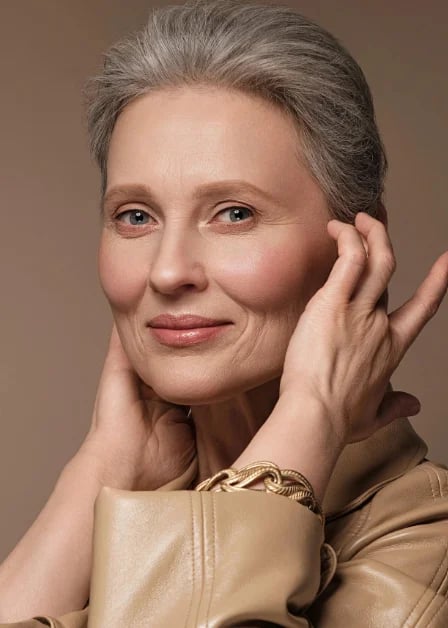
Facial aging happens on several layers at once, which is part of why a facelift can accomplish things that skincare and non-invasive treatments can't. Collagen and elastin production slow down over time, which reduces the skin's ability to snap back into place. The deeper support structures, including the muscle layer and the fat pads that give a younger face its fullness, gradually shift and descend due to gravity. Bone density in the face also decreases with age in a process similar to bone loss elsewhere in the body, which changes the underlying scaffolding the skin sits on.
Sun exposure, smoking, and genetics all influence how quickly these changes show up, which is why two people of the same age can look noticeably different in terms of facial aging. A facelift is effective because it addresses several of these layers directly, repositioning descended tissue and removing excess skin, rather than only treating the surface the way a cream or filler does.
Understanding the Facelift Procedure
Before delving into age considerations, let's briefly discuss what a facelift, medically known as rhytidectomy, entails. It's a surgical procedure to tighten and lift sagging facial tissues to create a more youthful appearance. During the procedure, excess skin is removed, underlying muscles are tightened, and fat may be redistributed or removed to sculpt facial contours.
There's more than one way to perform this surgery, and the technique your surgeon recommends can matter as much as your age. Seeing how the different facelift techniques compare before your consultation helps you walk in with the right questions, rather than learning the options for the first time in the exam room.
Factors Influencing Facelift Candidacy
Here are a few factors that can influence your candidacy for facelift surgery, at any age.
Skin Elasticity
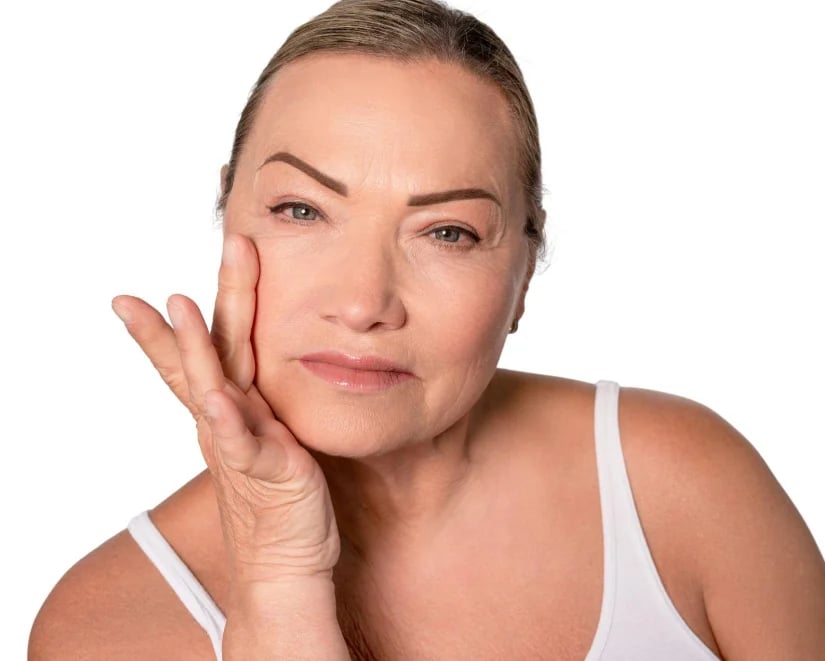
One of the critical determinants of facelift candidacy is skin elasticity. Younger individuals typically have more resilient skin, which responds better to surgical manipulation. However, skin loses elasticity with age due to factors like collagen depletion and sun damage. While advanced techniques can address moderate skin laxity, severely diminished elasticity may limit the effectiveness of a facelift, and a surgeon may recommend pairing it with other treatments to get the result you're after.
Overall Health
While age is just a number, overall health is paramount in determining suitability for surgery. Candidates should be physically and psychologically healthy, with no underlying medical conditions that could increase surgical risks. Factors like smoking, obesity, and uncontrolled medical conditions can compromise surgical outcomes and increase the likelihood of complications, regardless of how old or young the patient is.
Bone Structure
Facial bone structure plays a significant role in determining the results of a facelift. While skin can be tightened and excess fat removed, underlying bone structure largely dictates facial contours. Individuals with solid underlying bone structure may achieve more dramatic and long-lasting results from a facelift than those with weaker bone structure, since the skeleton is essentially the scaffolding the procedure works against.
Expectations
Realistic expectations are crucial for any cosmetic procedure. A facelift can effectively address signs of aging, such as sagging jowls, deep folds, and loose skin, but it cannot halt the aging process altogether. Candidates should understand the limitations of surgery and have reasonable expectations regarding the outcome, since a facelift turns back the clock rather than stopping it.
Age Considerations
Now, let's address the central question: how old is too old for a facelift? While there's no one-size-fits-all answer, age alone is not the sole determinant. Many individuals in their 60s, 70s, and even 80s undergo successful facelifts and are thrilled with the results. However, several factors should be considered.
Skin Condition
While chronological age is a factor, the skin's condition is more critical. Regardless of age, individuals with good skin quality may be suitable candidates for a facelift. Conversely, someone in their 50s with significant sun damage and skin laxity may not achieve optimal results from surgery. This is why two patients born the same year can get very different recommendations from the same surgeon.
Health Status
Age-related health concerns may pose more significant risks during surgery and recovery. Before undergoing a facelift, older individuals should undergo a comprehensive medical evaluation to assess their fitness for surgery. Cardiovascular health, blood clotting ability, and immune function should be carefully evaluated. For patients concerned about general anesthesia specifically, an awake deep plane facelift performed under local anesthesia and light sedation is worth discussing, since it removes general anesthesia risk from the equation entirely for appropriate candidates.
Lifestyle Factors
Lifestyle choices like smoking, excessive sun exposure, and poor skincare habits can accelerate the aging process and compromise surgical outcomes. Older individuals considering a facelift should be willing to adopt healthy lifestyle habits to optimize results and promote long-term skin health, both before surgery and for years afterward.
Support System
Recovery from a facelift requires adequate support and assistance, especially for older individuals. Candidates should have a reliable support system to assist with activities of daily living during the initial stages of recovery, whether that's a spouse, adult child, or friend who can help with meals, transportation, and household tasks for the first week or two.
Facelift Techniques for Older Patients
Advanced surgical techniques, anesthesia, and post-operative care have made facelifts safer and more accessible than they were even a decade ago. Minimally invasive approaches, such as the deep plane facelift and the traditional SMAS lift, minimize scarring and reduce recovery time, making them well suited to older patients who want a strong result without an extended downtime.
The deep plane technique repositions the underlying muscle layer rather than just pulling the skin, which tends to produce a more natural, longer-lasting result, an important consideration for older patients who don't want to repeat surgery again in a few years. The traditional SMAS lift remains a reliable, well-studied option and may be the better fit depending on your specific anatomy and goals, which is exactly the kind of decision worth discussing candidly during a consultation rather than assuming one technique is automatically right.
For patients who've had a facelift before and are considering a second procedure, a revision approach is typically more conservative than the first surgery, focused on refining specific areas rather than repeating the full original scope. Scar tissue from the prior surgery also factors into technique selection, which is another reason experience with revision cases specifically matters when you're choosing a surgeon for a second facelift.
Combining Procedures
Furthermore, integrating complementary procedures, such as fat grafting, laser resurfacing, and injectable fillers, allows for customized treatment plans tailored to individual needs. These adjunctive procedures can enhance the results of a facelift and address specific concerns like volume loss and skin texture irregularities that a facelift alone doesn't fully resolve.
Many patients also combine their facelift with a neck lift in the same surgery, since the two procedures address adjacent areas and share a single recovery window. Others pair it with a brow lift or blepharoplasty to address sagging around the eyes and forehead at the same time, since aging tends to affect the whole face rather than one isolated area.
What Does Recovery Look Like at Different Ages?
Recovery timelines vary based on overall health more than age alone, but older patients or those with more complex health histories should generally plan for a somewhat longer runway. Here's a general comparison:
| Milestone | Healthy Patients, Any Age | Older or Higher-Risk Patients |
|---|---|---|
| Initial swelling/bruising | 1-2 weeks | 2-3 weeks |
| Back to light daily activity | 1 week | 10 days to 2 weeks |
| Return to non-strenuous work | 10-14 days | 2-3 weeks |
| Driving resumes | Once off pain medication, ~1 week | Same, but often confirmed at a follow-up visit |
| Full activity, including exercise | 4-6 weeks | 6-8 weeks |
| Final results visible | 3-6 months | 3-6 months, sometimes slightly longer |
These timelines are general guidelines, not guarantees. Healing speed depends on your specific health profile, the extent of the procedure, and how closely you follow post-operative instructions. Your surgeon will walk through a personalized recovery plan during your consultation based on your health history and the technique used.
Preparing for Your Facelift
Preparation matters more as the procedure gets more involved, and it matters especially for older patients navigating a longer list of pre-operative considerations. You'll typically be asked to avoid smoking for several weeks before and after surgery, since nicotine significantly impairs healing and increases the risk of complications. Certain medications and supplements, including blood thinners and some anti-inflammatories, may need to be paused in the weeks leading up to surgery under your surgeon's guidance.
A pre-operative medical clearance from your primary care physician or cardiologist is common for older patients or anyone with an existing health condition, and it's worth scheduling that appointment early so it doesn't delay your surgery date. It's also worth arranging your recovery environment in advance: stock up on soft foods, set up a comfortable place to sleep with your head elevated, and confirm who's available to help during the first several days.
Most surgeons will also ask you to arrange transportation home the day of surgery, since you won't be able to drive yourself after anesthesia or sedation, and to line up help for the first week for basic tasks like meal prep and pet or childcare. Your surgical team will provide a detailed, written pre-operative checklist tailored to your specific procedure and health history well before your surgery date, so nothing is left to guesswork.
Cost Considerations
Facelift cost varies based on the technique used, whether it's combined with a neck lift or other procedures, anesthesia type, and the surgical facility. A deep plane facelift, being more technically involved, typically costs more than a more limited lift. Combining procedures, such as pairing a facelift with a neck lift or eyelid surgery, generally costs less than scheduling them as separate surgeries, since you're only paying for one anesthesia team and one recovery period rather than two.
The most accurate way to understand pricing for your specific situation is a consultation, where your surgeon can evaluate your anatomy, goals, and health history and provide a detailed, personalized quote. Facelifts are considered cosmetic and are generally not covered by insurance.
Some practices offer financing options to help spread the cost over time, and it's reasonable to ask about payment plans during your consultation rather than assuming the full amount is due upfront. Getting a written, itemized quote that separates surgeon's fees, facility fees, and anesthesia costs also makes it easier to compare options if you're consulting with more than one surgeon.
Why Patients Choose Dr. Bellamy for Facial Rejuvenation
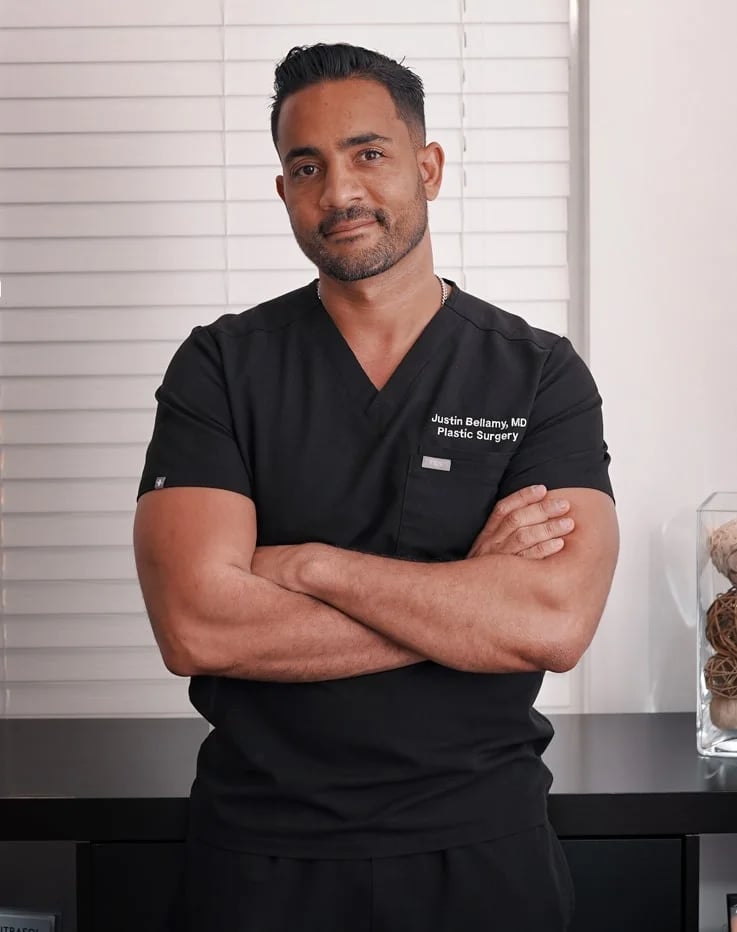
Dr. Justin Bellamy is a board-certified plastic surgeon who first became drawn to the field while spending time with a pediatric craniofacial surgeon and the chief of plastic surgery at Yale-New Haven Hospital. He graduated cum laude from Yale University with a degree in Molecular Biophysics and Biochemistry, then completed his medical training at the Johns Hopkins School of Medicine before attending the number one ranked plastic surgery residency program in the country at NYU Langone. From there, he completed an advanced aesthetic fellowship at the number one ranked program at Dallas Plastic Surgery Institute, working alongside leading surgeons on the most current facial rejuvenation techniques. He has since published more than thirty peer-reviewed articles and book chapters in the field.
Facelift candidacy at any age comes down to an accurate, honest read of your skin quality, bone structure, and health, and that's exactly the kind of judgment that depends on a surgeon's specific training and experience rather than a generic checklist. Dr. Bellamy takes a direct, personalized approach with every patient, staying in communication from your first consultation through your final follow-up, and regularly shares real patient outcomes on Instagram and in the practice's before-and-after photo gallery, so prospective patients can see actual results rather than only curated marketing photography.
Learn More
Age should not hinder achieving a more youthful appearance through a facelift. While older individuals may face unique challenges and considerations, many can safely undergo surgery and achieve excellent outcomes with proper preoperative evaluation and postoperative care.
Ultimately, the decision to undergo a facelift should be made in consultation with a board-certified plastic surgeon who can assess individual candidacy and tailor a treatment plan to achieve the desired results. With advancements in cosmetic surgery and a comprehensive approach to facial rejuvenation, age is just a number when it comes to turning back the clock and embracing a more youthful, refreshed appearance.
Ready to explore your options for facial rejuvenation? Schedule a consultation with board-certified plastic surgeon Dr. Justin Bellamy today at 561-705-0044 or request a consultation online.
Frequently Asked Questions
Is there an actual age cutoff for getting a facelift?
No. There's no hard age limit written into facelift candidacy. Surgeons evaluate overall health, skin quality, and realistic expectations rather than applying a blanket age cutoff. Patients in their 80s with good health and skin quality can be reasonable candidates, while a younger patient with significant health complications may not be.
What's the ideal age to get a facelift?
There isn't one ideal age, it depends entirely on when your individual signs of aging start to bother you and your skin quality at that point. Many patients get their first facelift anywhere from their late 40s through their 60s, though it varies widely based on genetics, sun exposure, and lifestyle.
Is a facelift riskier for older patients?
Age itself doesn't automatically increase surgical risk, but age-related health conditions can. That's why a thorough pre-operative medical evaluation matters more for older patients, since it identifies any cardiovascular, clotting, or immune concerns that need to be addressed or monitored before surgery.
How long do facelift results last?
Most facelift results last 8 to 12 years, though this varies by technique, with deep plane facelifts generally lasting longer than more limited lifts. The aging process continues after surgery, but patients typically look several years younger than their chronological age for a long time afterward.
Can I combine a facelift with other procedures if I'm older?
In many cases, yes, provided you're cleared for the combined surgery time and anesthesia. Combining a facelift with a neck lift, brow lift, or eyelid surgery is common and often more efficient than staging them as separate surgeries, though your surgeon will make that call based on your specific health profile.
What if I'm not a candidate for general anesthesia?
This is increasingly common for older patients, and it's not necessarily a dealbreaker. An awake deep plane facelift performed under local anesthesia and light sedation is an option worth discussing at your consultation if general anesthesia poses added risk for your specific health history.
How do I know if I'm a good candidate?
The only reliable way to know is a consultation. Skin quality, bone structure, and overall health all factor into candidacy, and those are things a surgeon needs to assess in person rather than estimate from a photo or a general guideline. Bring a list of your current medications, any prior surgeries, and specific photos of what bothers you most, since that level of detail helps your surgeon give you a more precise answer than a generic overview would.
Will I need to retire or take a lot of time off work?
Most patients take 10 to 14 days off work, longer if the job involves physical labor or heavy lifting. Bruising and swelling are usually well concealed with makeup by the two-week mark, though final results continue refining for several months.
Does a facelift make you look like a different person?
No, a well-performed facelift shouldn't change your fundamental appearance or expressions. The goal is a natural, refreshed version of your own face rather than a dramatically altered one, which is why bone structure and an experienced surgeon's technique matter so much to the final result.
Discuss Your Facelift Candidacy With Dr. Bellamy
If you are wondering whether your age or health makes a facelift the wrong call, schedule a consultation at Bellamy Plastic Surgery for a straight answer. Call (561) 705-0044 or complete our online contact form.