

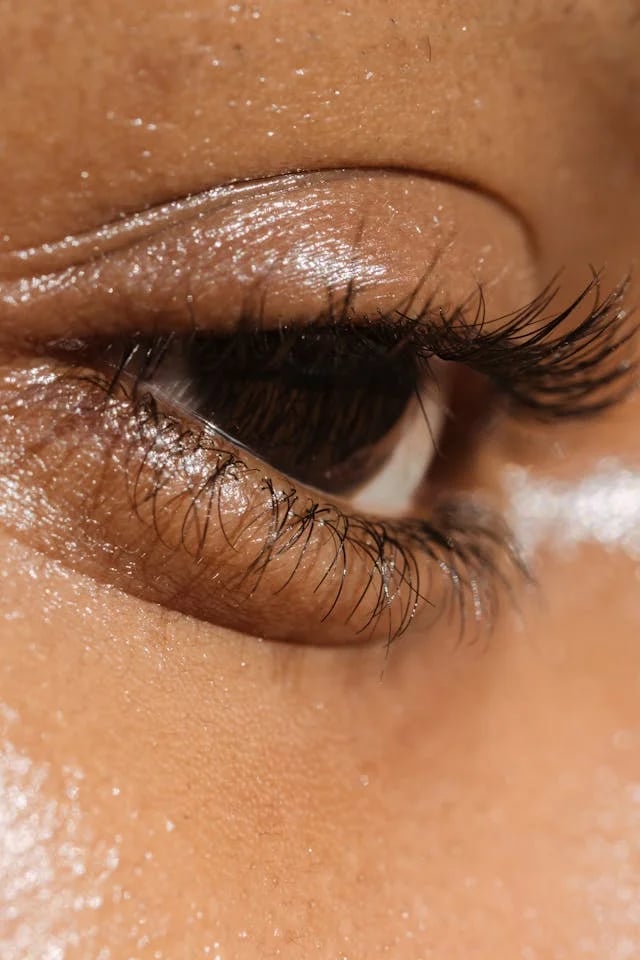
Sagging eyelids sneak up on people. One day you notice your eyeliner smudging against skin that used to sit higher, or a photo where your eyes look smaller and more tired than you feel. The cause is not always the eyelid itself, which is why the fix that worked for a friend may not be the one you need.
Below is a plain guide to why eyelids sag, how to tell the causes apart, and what surgical and non-surgical options exist. It reflects how Dr. Justin Bellamy approaches the upper face at his Palm Beach Gardens practice.
Why eyelids sag
Three different problems often get lumped under the same phrase.
Excess skin and fat on the lids. The skin of the eyelid is the thinnest on the body. Over time it stretches, and small pockets of fat can bulge forward, creating hooding on the upper lid and puffiness or bags below the eye. This is the classic case for eyelid surgery.
Low brows. As the brows descend, they push skin down over the upper lids. The eyelid may be fine, but the brow above it is resting on it. Lifting the brow, not trimming the lid, is the answer here.
A true droop of the eyelid. In ptosis, the muscle that raises the lid weakens or stretches, so the lid itself sits lower on the eye. That is a functional problem rather than an excess-skin problem, and it needs a different repair.
Many people have more than one of these at once, and an exam is the only reliable way to sort them out. If a lid droops suddenly, only on one side, or comes with double vision or other neurological symptoms, get it checked promptly by a physician, because those signs can point to something other than aging.
What blepharoplasty can do
Blepharoplasty, or eyelid lift surgery, removes excess skin and fat and tightens the eyelid muscles. It can be done on the upper lids, the lower lids or both, and it can improve functional concerns such as skin that interferes with peripheral vision. Typical improvements include:
- Puffy-looking eyelids caused by fat deposits
- Prominent under-eye bags
- Drooping lower lids
- Excess skin and fine wrinkles on the lower lids
Upper eyelid incisions are hidden in the natural crease, and lower lid work can be done through the inside of the lid or just beneath the lash line. Recovery is short compared with most facial surgery, and results usually last for many years. Dr. Bellamy performs blepharoplasty both on its own and alongside other facial procedures.
When a brow lift is the missing piece
If your brows have dropped, eyelid surgery alone can leave you with a lid that looks better but a brow that still crowds the eye. A brow lift repositions the eyebrows and smooths the forehead through small, well-concealed incisions in the hairline or at the brow. It is often paired with eyelid surgery for upper-face rejuvenation, because together they produce a more balanced, polished look than either does alone.
The easy test is to lift the outer edge of your brows with your fingertips in the mirror. If your eyes suddenly look open and the hooding vanishes, the brow deserves attention.
Recovery after eyelid or brow surgery
Recovery varies, but the general pattern is consistent. Both operations are outpatient, so someone needs to drive you home and stay with you for the first 24 hours. Dr. Bellamy may prescribe medication to manage pain and guard against infection.
Swelling, bruising, tearing, dry eyes, blurred vision and sensitivity to light are common in the early days and usually settle within about a month. Plan on one to two weeks away from work, get plenty of rest, and avoid strenuous exercise for four to six weeks. Cool compresses and sleeping with your head elevated help with swelling.
Sun protection matters more than usual. Dark sunglasses and a wide-brimmed hat protect the healing skin, and they are a good habit afterward too. Dr. Bellamy gives detailed instructions to follow at each stage.
Non-surgical options for mild to moderate sagging
Not everyone with hooded or tired-looking eyes needs an operation. For mild to moderate changes, several non-surgical treatments can help, with little or no downtime.
Neuromodulators. Botox and similar products relax the small muscles that pull the brow tail and lid area downward and can soften crow's feet. Used carefully, they give the outer brow a subtle lift and a more open look. They do not remove excess skin. Dr. Bellamy offers Botox and other neuromodulators as part of a customized plan.
Fillers. Dermal fillers replace lost volume around the brow and the hollows beneath the eyes, which can smooth the transition between the lid and the cheek and add a subtle lift. The area around the eyes requires an experienced injector.
Morpheus8. This treatment pairs radiofrequency energy with microneedling to stimulate collagen and tighten skin around the eyes. Many patients notice some change after a single session, though the best results usually come from three to five treatments spaced four to six weeks apart, with annual maintenance often recommended. It is one of several non-surgical rejuvenation options at the practice.
How long non-surgical results last
Non-surgical results are temporary, and the timeline depends on the product, your body and your aftercare. Neuromodulators typically last three to nine months, depending on the product used. Fillers can last from about six months to two years. Morpheus8 builds gradually as collagen forms over the months after treatment.
That is the trade-off. Non-surgical care is low commitment and gentle, but it needs repeating. Surgery is a one-time investment that lasts far longer. Many patients start with injectables and move to surgery when they are ready.
What a surgeon checks at the consultation
An eyelid consultation is more hands-on than most people expect. Your surgeon will look at how much skin is really in excess, how much of the problem comes from the brow, and whether the eyelid margin sits where it should. They will check how well your eyes close, how much tear film you produce and whether you have a history of dry eyes, since that affects how aggressive surgery can safely be. They will also ask about your vision, any thyroid or eye conditions, and the medications you take.
You may be photographed from several angles, and your surgeon may mark the areas of excess skin while you sit upright. It is a good time to bring photos of yourself from several years ago, because they show what you want to restore better than any description.
Risks to understand
Eyelid surgery is common and generally safe, but it isn't risk-free. Possible issues include dry or irritated eyes, temporary blurred vision, asymmetry, bruising and swelling that lasts longer than expected, visible scarring, and in rare cases a change in eyelid position or difficulty fully closing the eye. Bleeding around the eye is rare but serious and requires immediate attention.
Choosing a surgeon with extensive facial experience, following your aftercare exactly and reporting any sudden pain or vision change right away are the best ways to lower those risks. Dr. Bellamy reviews each of them with you before surgery.
Can eyelid surgery be combined with other procedures?
Yes, and it often is. Facial aging tends to affect several areas at once, so eyelid surgery and brow lifts are frequently combined with a facelift and neck lift, rhinoplasty, facial fat grafting, dermal fillers or Botox. Combining procedures means one anesthetic and one recovery, though it also makes the operation longer, so it is worth discussing what is sensible in your case.
Skin quality matters as much as structure. Dr. Bellamy may recommend skin treatments to extend and protect your results after surgery.
Eyelid surgery for men
Men are a large and growing share of eyelid surgery patients, and the goals are a little different. Most men want to look rested and alert without looking "done," and a subtle, natural result is the priority. Brow position matters especially, because lifting a male brow too high or too arched can look feminine. If you have searched for male eyelid surgery, it is worth choosing a surgeon who understands those differences.
Choosing the right surgeon
The eyelids are delicate, and small differences in technique show. Look for a board-certified plastic surgeon with extensive facial experience, healed before and after photos of patients like you, and a willingness to tell you when surgery is not the answer. Dr. Bellamy is board-certified, and you can compare blepharoplasty and brow lift before and after photos to see his work.
Eyelid consultations in Palm Beach Gardens
At your consultation, Dr. Bellamy will examine your eyelids, brows and skin, ask about your vision and health history, and explain which approach, or combination, fits you. He sees eyelid patients in Palm Beach Gardens, including many from West Palm Beach, Jupiter and Boca Raton. If you would like your own eyelids assessed, request an appointment or call (561) 705-0044.
Frequently Asked Questions
What causes sagging eyelids?
The most common causes are stretched eyelid skin with bulging fat, brows that have dropped and press on the upper lids, and a true weakness of the muscle that lifts the eyelid. Many people have more than one of these, so a hands-on exam is the best way to sort them out.
How can I fix sagging upper eyelids without surgery?
For mild to moderate cases, neuromodulators can subtly lift the brow tail, fillers can restore volume around the brow and under the eyes, and Morpheus8 can tighten skin. These results are temporary and do not remove excess skin. If skin is heavy or hooded, surgery gives a more lasting change.
What is the difference between blepharoplasty and a brow lift?
Blepharoplasty removes excess skin and fat from the eyelids themselves. A brow lift repositions the eyebrows and smooths the forehead. If low brows are causing the hooded look, a brow lift is the better fix, and many patients need both.
How long does recovery take after eyelid surgery?
Swelling, bruising, tearing and light sensitivity usually settle within about a month. Plan on one to two weeks off work and avoid strenuous exercise for four to six weeks. Dr. Bellamy gives you a timeline that fits your operation.
How long do non-surgical eyelid treatments last?
Neuromodulators typically last three to nine months, fillers from about six months to two years, and Morpheus8 results build over months and are often maintained annually. All are temporary compared with surgery.
How many Morpheus8 sessions do I need for the eyelids?
Some patients notice improvement after one session, but most get the best results from three to five sessions spaced four to six weeks apart. Collagen continues to build for months afterward, and annual maintenance is often recommended.
Can Botox lift droopy eyelids?
Botox can lift the tail of the brow slightly and soften crow's feet, which can make the eyes look more open. It cannot remove excess eyelid skin or repair a true droop of the lid. Dr. Bellamy can tell you whether injectables or surgery suits your eyes.
Is eyelid surgery covered by insurance?
Sometimes. If drooping upper eyelid skin interferes with your vision, insurance may cover part of the cost after documentation, while purely cosmetic surgery is not covered. Ask your insurer and your surgeon about the requirements before you plan.
Do men have eyelid surgery too?
Yes, and the goal is usually a natural, rested look. Brow position matters especially, because lifting a male brow too high can look unnatural. Dr. Bellamy tailors the plan to your features.
How much does eyelid surgery cost?
It varies with whether upper lids, lower lids or both are treated, and whether it is combined with a brow lift or other work. You will get a written estimate after your consultation.
Will eyelid surgery leave visible scars?
Scars from upper eyelid surgery are hidden in the natural crease, and lower lid incisions are placed inside the lid or just below the lash line. They fade over the months after surgery and are usually hard to see once healed.