
















- Gender
- Female
Description
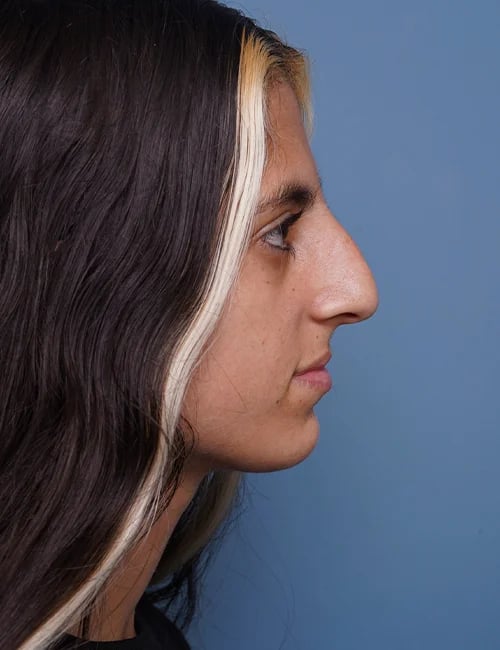
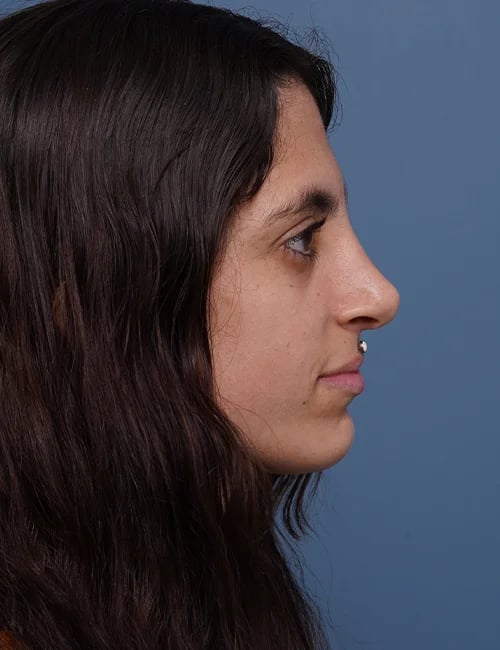
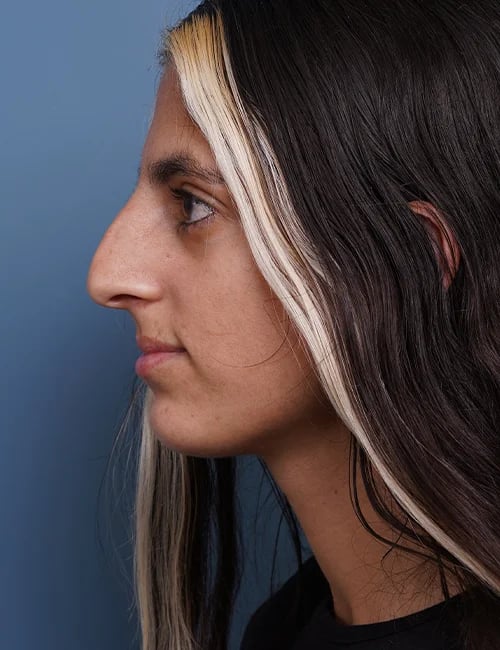
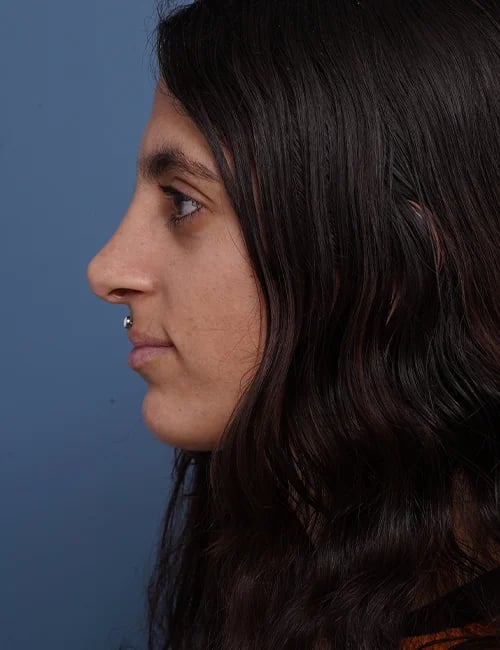
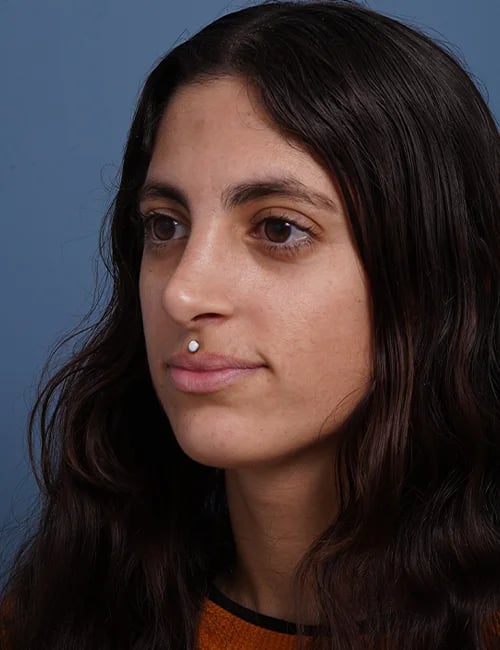
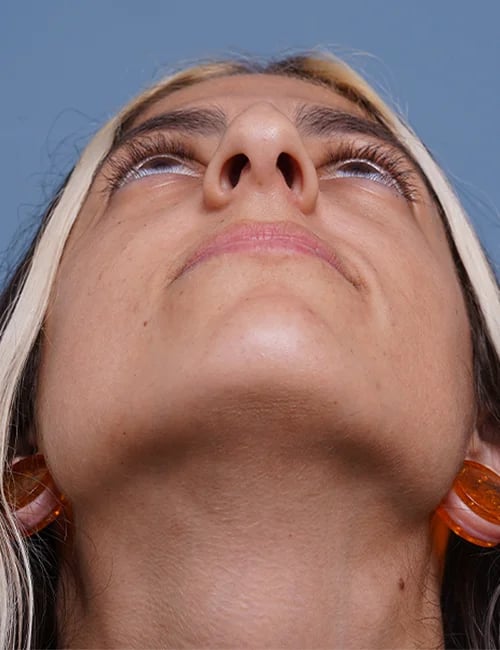
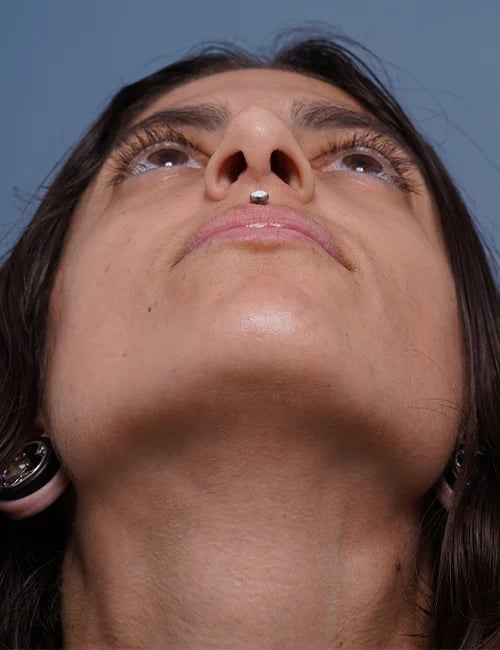
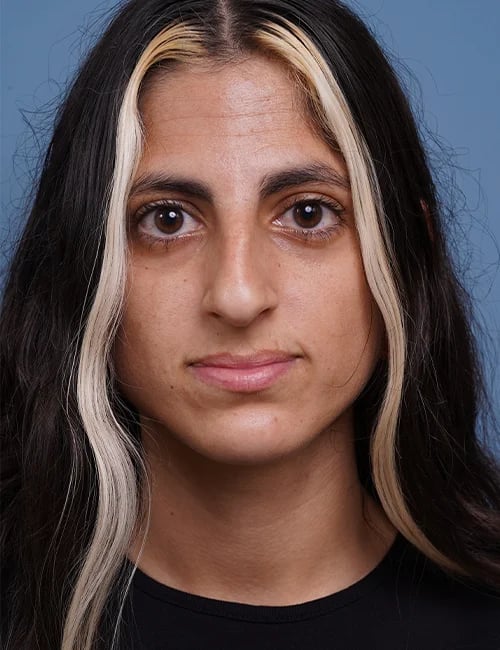
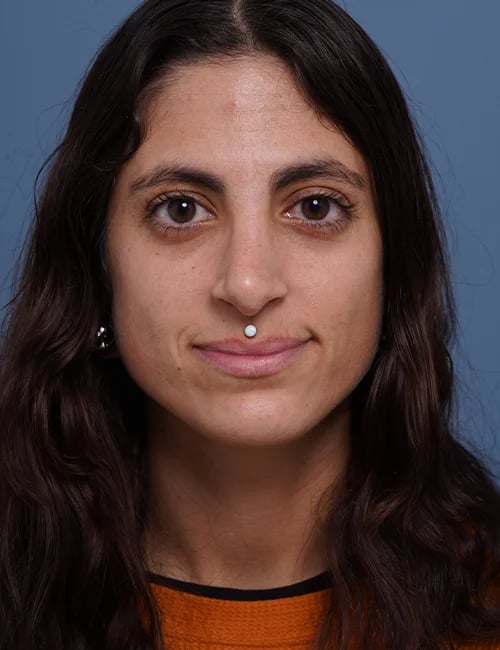
1 year post-surgery rhinoplasty
Studying a Nose One Year On, Angle by Angle
These photos were taken one year after rhinoplasty, and the set follows the full sequence of views surgeons use to evaluate the nose: front, left and right diagonals, both side angles and a looking-up view. That consistency is more than tidy presentation. Each before photo has a direct after match, so changes can be compared fairly rather than guessed at.
The looking-up view is the one most people overlook. It shows the nostrils and the base of the nose, an area rarely seen in the mirror but often noticed in photos taken from below. Symmetry here can make a noticeable difference to how balanced the nose appears from the front, even when the change itself is small.
The diagonal views tend to be the most revealing for everyday appearance. They show how the bridge transitions into the tip and whether the nose looks smooth from the cheek outward. In profile, look at the relationship between the tip, the upper lip and the chin. A well-balanced profile rarely draws attention to any single feature, which is usually the goal.
At one year, most of the swelling that softens definition in the early months has resolved, so these images give a dependable view of the settled result. That matters when comparing cases, because a nose photographed at six weeks and one photographed at twelve months can look quite different even when the surgery was similar.
Many patients researching a nose job in West Palm Beach start by looking for a single case that resembles their own nose. That can help, but it is just as useful to see how consistently a surgeon's results suit the faces they belong to. Browsing more rhinoplasty results shows that range across different starting points, skin types and goals.
Patients sometimes worry that a refined nose will change the character of their face. Looking at a result like this from every angle shows how a change can sit comfortably within the rest of the features, so that friends notice the person looks well rather than noticing the surgery. That understated quality is something many patients in South Florida ask for directly when they describe their goals.
When you find examples that resonate with you, save them. Concrete references make it far easier to describe a look than words alone, and they give you and Dr. Bellamy a shared starting point for talking about what is realistic for your anatomy.